


How Modern Tile Enhances Contemporary Spaces
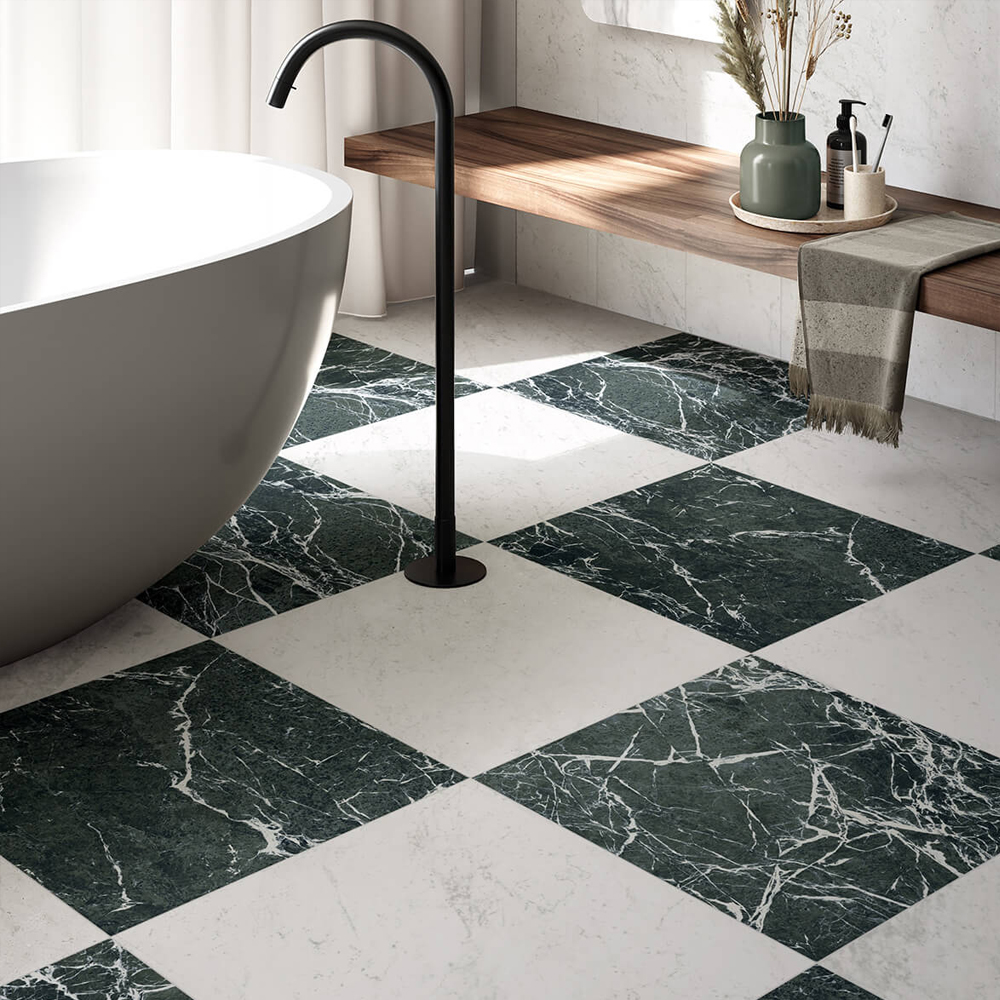
In the world of interior design, the choice of materials can make or break the overall aesthetic and functionality of a space. Among the many design elements available, modern tile has emerged as one of the most versatile and impactful options for enhancing contemporary interiors. From sleek flooring to eye-catching wall accents, tiles offer a unique blend of style, durability, and practicality that aligns perfectly with modern design principles.

The Evolution of Tile in Interior Design

Tiles have been used for centuries, dating back to ancient civilizations, where they were valued for their durability and decorative appeal. However, modern tiles have evolved far beyond their historical predecessors. Today, they come in an extensive range of materials, finishes, and designs that cater to contemporary tastes. Porcelain, ceramic, glass, and natural stone tiles now feature advanced production techniques, allowing for intricate patterns, textures, and even 3D effects. This evolution has made tiles not only a functional choice but also a statement-making design element.

Versatility in Modern Spaces

One of the most significant advantages of modern tiles is their versatility. They can seamlessly fit into various contemporary spaces, whether it’s a minimalist urban apartment, a luxurious suburban home, or a cutting-edge office environment. Tiles can be used on floors, walls, and even ceilings, creating a cohesive look that enhances the sense of continuity in a space.

For flooring, large-format porcelain tiles are particularly popular in contemporary design. Their smooth, uniform surfaces create a clean, open look that makes spaces feel larger and more airy. Additionally, textured tiles can add subtle visual interest and prevent slipping in areas such as bathrooms and kitchens. On walls, modern tiles can serve as bold accent features or as understated backdrops that complement furniture and décor.

Modern Tile Patterns and Designs

Modern tiles offer an array of patterns and designs that cater to diverse tastes. Geometric patterns, for instance, are a hallmark of contemporary aesthetics, bringing structure and rhythm to a room. Hexagons, chevrons, and herringbone layouts can turn even a simple space into a design showcase. For those who prefer minimalism, solid-colored tiles in matte or glossy finishes provide a sleek and refined appearance that enhances the architectural lines of a room.

Additionally, tiles can mimic the look of other materials, such as wood, marble, or concrete. This flexibility allows homeowners and designers to achieve a high-end look without the associated maintenance challenges or cost. Wood-look porcelain tiles, for example, offer the warmth of natural timber while being resistant to moisture and wear, making them ideal for kitchens and bathrooms.

Color and Texture: Elevating Contemporary Interiors

Color plays a crucial role in contemporary interior design, and modern tiles provide limitless options. Neutral tones such as gray, beige, and white create a clean, timeless base that works well with bold furniture or décor accents. For a more dramatic effect, jewel tones, deep blues, and emerald greens can be incorporated into feature walls or patterned floors, instantly elevating the visual impact of a room.

Texture adds another layer of sophistication. Matte finishes convey understated elegance, while polished tiles reflect light, enhancing brightness and creating the illusion of space. Textured tiles, including 3D designs or relief patterns, can become focal points in an interior, adding depth and dimension that bring contemporary spaces to life.

Functional Benefits of Modern Tiles

Beyond aesthetics, modern tiles provide numerous functional advantages. Durability is one of the most notable benefits. Porcelain and ceramic tiles are highly resistant to scratches, stains, and moisture, making them ideal for high-traffic areas. This durability ensures that contemporary spaces maintain their stylish appearance over time, even under heavy use.

Tiles are also easy to clean and maintain, a practical advantage for modern lifestyles. Unlike carpets or wood that require regular upkeep, tiled surfaces can be quickly wiped or mopped, maintaining a fresh and polished look with minimal effort. Additionally, modern tiles can incorporate eco-friendly features, such as recycled materials and energy-efficient production methods, aligning with sustainable design practices.

Integrating Tiles in Different Contemporary Spaces

Living Areas

In living rooms and lounges, modern tiles can define space and add visual interest. Large-format tiles in neutral tones create a seamless flooring canvas, while accent walls with patterned or textured tiles can act as artistic focal points. Combining tiles with rugs, furniture, and lighting allows for layered design that balances warmth and modernity.

Kitchens

Kitchens benefit greatly from tiles, both functionally and aesthetically. Backsplashes made of glass or ceramic tiles protect walls from spills while contributing a vibrant design element. Flooring in durable porcelain tiles withstands heavy foot traffic and is easy to clean, crucial in areas prone to messes.

Bathrooms

In bathrooms, tiles are indispensable. Water-resistant properties make them perfect for wet areas, and their wide range of finishes allows for spa-like, luxurious atmospheres. From sleek monochrome designs to bold mosaics, tiles transform bathrooms into modern retreats that are both practical and visually stunning.

Commercial and Office Spaces

Modern tiles are not limited to residential spaces. Commercial environments benefit from the combination of durability and aesthetics. Offices, restaurants, and retail spaces use tiles to create sophisticated interiors that are low-maintenance and long-lasting. The choice of colors and patterns can reinforce brand identity while maintaining a contemporary atmosphere.

The Psychological Impact of Tiles

Design elements such as color, texture, and pattern influence mood and perception. Modern tiles can enhance the psychological experience of a space. Light-colored tiles can make interiors feel larger and more open, promoting a sense of calm and relaxation. Bold patterns and textures inject energy and creativity, stimulating interaction and engagement. By carefully selecting tiles, designers can craft spaces that not only look beautiful but also feel harmonious and inspiring.

Future Trends in Modern Tile Design

The future of modern tile design is geared toward innovation and personalization. Smart tiles with integrated LED lighting, textured 3D surfaces, and eco-conscious materials are gaining popularity. Customizable tiles allow homeowners and designers to experiment with patterns, colors, and shapes, offering endless creative possibilities. As technology continues to advance, tiles will increasingly serve as a medium for artistic expression and functional enhancement in contemporary spaces.

Conclusion

Modern tiles are far more than a utilitarian choice; they are a transformative element in contemporary interior design. With their vast array of materials, patterns, colors, and textures, they offer both aesthetic appeal and practical benefits. Whether used to create a sleek minimalist look, a bold accent, or a luxurious retreat, modern tiles have the power to enhance contemporary spaces in ways that are stylish, durable, and highly functional. As design trends evolve, tiles will remain a cornerstone of modern interiors, proving that beauty and practicality can coexist seamlessly.
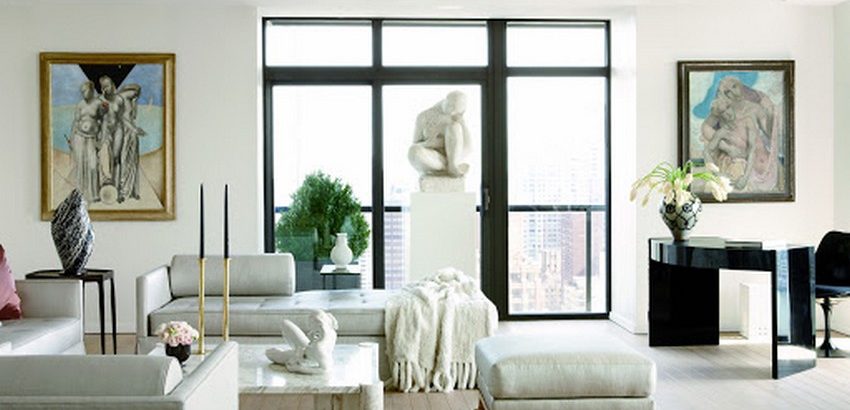
Interior Designer San Francisco: Transforming Spaces with Professional Style

Finding the right interior designer in San Francisco can make a significant difference in turning a simple living or working space into a functional and visually appealing environment. In a city like San Francisco, where architecture blends modern innovation with historical charm, professional interior design services are highly valued. Homeowners and business owners alike seek experts who can balance aesthetics, comfort, and practicality while reflecting personal or brand identity.

Interior design is more than decorating a room; it is about creating harmony between color, furniture, lighting, and space utilization. Whether someone wants to renovate a home, redesign an office, or upgrade a commercial property, hiring a skilled interior designer helps achieve professional results efficiently.

Importance of Hiring an Interior Designer in San Francisco

The real estate market in San Francisco is known for its competitive nature and diverse architectural styles. Many properties feature compact spaces that require smart design solutions. Professional interior designers understand how to maximize small areas while maintaining comfort and style.

One of the primary benefits of hiring an interior styling san francisco is access to expert knowledge. Designers are trained in spatial planning, color theory, and material selection. They know which elements work best together and can help clients avoid costly mistakes during renovation or decoration projects.

Additionally, interior designers have access to high-quality materials and furniture suppliers. This allows homeowners to obtain premium products that may not be available in regular retail stores. Professional designers also help clients stay within budget by recommending cost-effective yet stylish options.

Services Offered by Interior Designers in San Francisco

Interior designers in San Francisco provide a wide range of services depending on client needs. Some of the most common services include residential design, commercial space design, remodeling consultation, and project management.

Residential interior design focuses on improving living spaces such as bedrooms, kitchens, and living rooms. Designers work closely with homeowners to understand lifestyle preferences, family requirements, and aesthetic choices. Modern residential design often emphasizes open layouts, natural lighting, and minimalistic décor.

Commercial interior design is equally important, especially for businesses operating in competitive urban environments. Offices, restaurants, and retail stores must create welcoming atmospheres that attract customers and improve employee productivity. Professional designers help businesses develop interiors that reflect brand identity while maintaining functionality.

Another important service is remodeling and renovation planning. Many property owners in San Francisco want to upgrade older buildings without losing their original character. Skilled designers can modernize interiors while preserving architectural heritage.

Modern Design Trends in San Francisco

Interior design trends in San Francisco often combine technology, sustainability, and contemporary style. Many designers focus on eco-friendly materials and energy-efficient lighting systems.

Minimalism remains one of the most popular styles in modern urban homes. Clean lines, simple furniture arrangements, and neutral color palettes create a peaceful living environment. This design approach is particularly suitable for small apartments where space optimization is essential.

Smart home integration is another growing trend. Modern interior designers incorporate technology such as automated lighting, temperature control systems, and smart security devices into residential and commercial spaces.

Natural elements are also highly appreciated in contemporary design. Indoor plants, wooden textures, and natural stone surfaces are commonly used to bring warmth and balance to modern interiors.

Choosing the Right Interior Designer

Selecting the best interior designer in San Francisco requires careful research and consideration. Clients should review portfolios, client testimonials, and previous project examples before making a decision.

Experience is one of the most important factors. Designers with years of industry experience are more likely to understand local architectural styles and construction regulations.

Communication is another critical aspect. The best designers listen carefully to client preferences and provide customized design solutions rather than applying generic styles.

Budget transparency is also essential. Professional interior designers provide detailed cost estimates and explain where money will be spent during the project. This helps avoid unexpected expenses.

Benefits of Professional Interior Design

Investing in professional interior design offers several long-term advantages. First, it increases property value. Well-designed homes and commercial spaces are more attractive to potential buyers and tenants.

Second, professional design improves comfort and functionality. Proper furniture arrangement and lighting placement can enhance daily living experiences.

Third, interior design improves mental well-being. Studies have shown that organized and aesthetically pleasing environments can reduce stress and increase productivity.

In business environments, good interior design can influence customer behavior. Restaurants with attractive interiors often experience higher customer satisfaction, while well-designed offices promote employee efficiency.

Interior Design for Small Spaces

Space limitation is a common challenge in urban areas of San Francisco. Skilled interior designers use smart techniques to solve this problem.

Multifunctional furniture is one popular solution. For example, sofa beds, wall-mounted storage, and foldable tables help save space while maintaining usability.

Vertical storage systems are also effective. Instead of spreading storage horizontally, designers use wall space efficiently.

Proper lighting design is equally important for small spaces. Natural light is maximized through window placement and light-colored wall finishes.

Commercial Interior Design Importance

Businesses in San Francisco increasingly rely on professional interior designers to improve brand presence. Retail stores require visually attractive layouts to encourage customer interaction.

Restaurants benefit from thematic interior design that matches cuisine style and customer expectations. Office interiors focus more on productivity, comfort, and professional appearance.

Reception areas play a crucial role in forming first impressions. A well-designed reception space reflects business professionalism and reliability.

Sustainability in Interior Design

Environmental sustainability is becoming a major priority for interior designers in modern cities. Eco-friendly materials such as recycled wood, low-VOC paints, and energy-efficient lighting are widely used.

Sustainable design not only protects the environment but also reduces long-term maintenance costs for property owners.

Conclusion

Hiring a professional interior designer in San Francisco is a valuable investment for homeowners and businesses who want to enhance their spaces. In a dynamic city like San Francisco, interior design plays a crucial role in balancing modern lifestyle needs with aesthetic beauty.

From space planning and material selection to technology integration and sustainability, professional designers provide comprehensive solutions. Whether it is a residential project or commercial renovation, expert interior design services help create comfortable, stylish, and functional environments.

As design trends continue evolving, the demand for skilled interior designers will remain strong. Choosing the right professional ensures that every space is transformed into a beautiful and practical area that reflects personality, purpose, and modern innovation.

Express Blinds The Future of Window Coverings

When it comes to home design, windows are more than just openings to the outside world — they are an essential element of style, comfort, and functionality. Choosing the right window coverings can transform a room, enhance natural light, and even improve energy efficiency. Enter express blinds, the modern solution that’s redefining how we think about window coverings. Fast, stylish, and versatile, express blinds are truly shaping the future of home interiors.

Whether you’re redesigning your living room, upgrading your bedroom, or adding elegance to your office, express blinds offer a perfect combination of convenience and cutting-edge design. They’re the ideal choice for homeowners who want instant style without the traditional hassle.

Why Express Blinds Are the Next Generation

Speed Meets Style

The biggest appeal of express blinds is their ability to combine speed and aesthetics. Traditional window coverings, such as curtains or fully custom blinds, can take weeks to order, deliver, and install. Express blinds are designed for quick delivery and simple installation, allowing homeowners to upgrade their spaces almost instantly.

But convenience doesn’t mean compromising on style. With a variety of colors, textures, and materials, express blinds can be tailored to suit any décor, from sleek modern minimalism to warm, classic interiors.

Functionality at Its Best

Express blinds are not just about looks. They offer practical benefits that make them ideal for modern living:

  • Light control: Adjust natural light with ease, creating the perfect ambiance.

  • Privacy: Maintain seclusion without sacrificing style.

  • Energy efficiency: Certain materials can help regulate room temperature.

  • Low maintenance: Easy to clean and durable, perfect for busy households.

This combination of functionality and design makes express blinds a future-ready solution for any space.

Types of Express Blinds That Lead the Way

Roller Blinds – Sleek and Modern

Roller blinds are a favorite for contemporary homes. Their clean lines and minimal design make them perfect for any room, from living areas to kitchens. They come in a variety of fabrics, including light-filtering options for soft ambiance or blackout materials for total privacy.

Venetian Blinds – Timeless Elegance

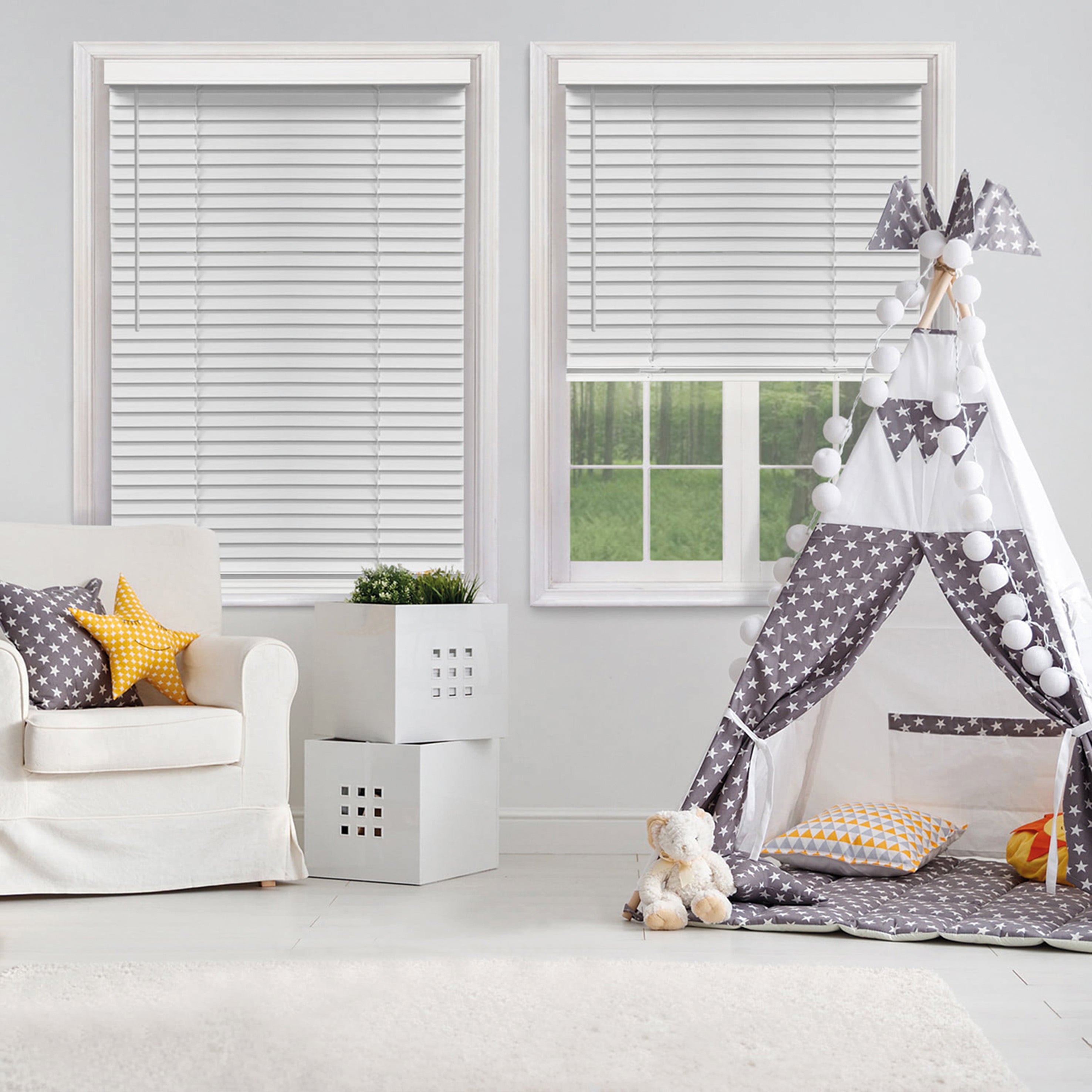
Venetian blinds offer adjustable slats, allowing precise control over light and privacy. Available in wood, aluminum, or faux wood, they bring texture and sophistication to any interior. They’re versatile enough to complement both traditional and modern designs.

Roman Blinds – Soft Luxury

For those who love a touch of softness, Roman blinds are a perfect option. When raised, they fold into elegant pleats, adding depth and charm. They’re ideal for bedrooms or formal living areas where a luxurious, tailored look is desired.

Vertical Blinds – Perfect for Expansive Windows

Large windows or sliding doors benefit from vertical blinds. They create a sleek, organized look while offering full control over light and privacy. Modern vertical blinds come in neutral or bold colors, allowing homeowners to match their décor seamlessly.

How Express Blinds Transform Every Room

Living Room – Style and Comfort

Express blinds can instantly frame your windows, making the living room feel complete. Light-filtering fabrics add warmth and create a cozy atmosphere, while modern designs provide a polished, stylish look.

Bedroom – Restful Retreat

Blackout express blinds are ideal for bedrooms. They block unwanted light and enhance privacy while adding a clean, tailored finish. Combined with soft textiles and calming colors, they create a restful sanctuary.

Kitchen – Practical Elegance

Moisture-resistant roller or Venetian blinds are perfect for kitchens. They are easy to clean, durable, and stylish, keeping the space fresh and functional while maintaining aesthetic appeal.

Home Office – Focused Productivity

A productive workspace needs the right lighting. how to clean vinyl window shutters allow homeowners to reduce glare on screens while keeping natural light flowing, creating an efficient and inviting office environment.

Design Tips to Maximize the Impact

  1. Choose the Right Color: Neutral tones create a cohesive look, while contrasting shades draw attention to your windows.

  2. Consider Texture: Linen fabrics, wooden slats, or woven materials add depth and sophistication.

  3. Match Functionality to the Room: Blackout for bedrooms, light-filtering for living rooms, moisture-resistant for kitchens.

  4. Ensure Proper Fit: Well-measured blinds make a room look polished and professionally designed.

The Future of Home Interiors

Express blinds represent more than a trend — they are a solution designed for modern living. Combining convenience, style, and practicality, they are transforming how homeowners think about window coverings. They allow for quick, stress-free upgrades that have a lasting impact, proving that the right blinds can redefine an entire space.

Final Thoughts

From small apartments to expansive homes, express blinds offer a fast, stylish, and functional approach to window design. They allow homeowners to effortlessly control light, privacy, and ambiance while adding personality and sophistication to every room.

As the future of home interiors leans toward efficient, stylish, and practical solutions, express blinds stand at the forefront, proving that upgrading your home doesn’t have to be complicated. With express blinds, you can achieve instant elegance, convenience, and comfort — all in one simple, modern solution.

The Ultimate Guide to Maid Services: Keeping Your Home Spotless

In today’s fast-paced world, balancing work, family, and personal time often leaves little room for household chores. This is where professional maid services come into play, offering a convenient solution for maintaining a clean, organized, and healthy living environment. From routine cleaning to specialized tasks, hiring maid services has become a practical choice for homeowners seeking efficiency without compromising on quality.

What Are Maid Services?

Maid services refer to professional cleaning assistance provided by trained personnel who handle various household chores. These services can range from basic tasks such as dusting, vacuuming, and mopping to more extensive responsibilities like laundry, dishwashing, and deep cleaning of kitchens and bathrooms. Many maid service providers offer flexible packages tailored to meet the specific needs of their clients, whether for daily, weekly, or monthly visits.

Benefits of Hiring Maid Services

  1. Time-Saving

    One of the most significant advantages of maid services is the time you save. With trained professionals taking care of cleaning and organizing, homeowners can focus on work, hobbies, or spending quality time with family. This added convenience reduces stress and improves overall quality of life.

  2. Professional Expertise

    Maid service professionals are equipped with the right skills, knowledge, and cleaning tools to tackle various household chores efficiently. They know how to handle delicate surfaces, use eco-friendly cleaning agents, and organize spaces systematically, ensuring a thorough clean every time.

  3. Customized Cleaning Plans

    Many maid services offer tailored cleaning plans that suit your lifestyle and preferences. Whether you need a full house deep cleaning once a month or light maintenance weekly, these services can be adjusted to meet your requirements. Some providers also offer specialty services such as carpet cleaning, window washing, and appliance sanitization.

  4. Health and Hygiene

    A clean home is essential for good health. Dust, allergens, and bacteria can accumulate quickly, leading to potential health issues. By employing maid services, you ensure that your living space is regularly sanitized, promoting a healthier environment for your family.

  5. Peace of Mind

    Knowing that your home is in the hands of reliable and professional cleaners offers peace of mind. Reputable maid service providers perform background checks and training, so you can trust that your home is safe and well cared for.

Types of Maid Services

Maid services can be broadly categorized into the following:

  • Regular House Cleaning: Routine cleaning such as sweeping, mopping, dusting, and tidying up.

  • Deep Cleaning: Intensive cleaning, including scrubbing bathrooms, kitchens, baseboards, and hard-to-reach areas.

  • Move-In/Move-Out Cleaning: Specialized services to prepare homes for new residents, ensuring every corner is spotless.

  • Laundry and Ironing: Washing, drying, and ironing clothes as part of the household cleaning routine.

  • Specialized Services: Services like carpet cleaning, window washing, upholstery care, and post-renovation cleaning.

By choosing the right type of service, homeowners can address their unique cleaning needs efficiently and effectively.

How to Choose the Right Maid Services

Selecting the ideal maid services requires careful consideration. Here are some tips to guide your decision:

  1. Check Credentials and Reviews: Look for licensed and insured cleaning companies with positive customer feedback. This ensures credibility and reliability.

  2. Define Your Needs: Identify the specific cleaning tasks you need assistance with and choose a service plan that matches your requirements.

  3. Compare Costs: While affordability is important, prioritize value and quality. Cheaper options may compromise cleaning standards.

  4. Ask About Supplies: Some maid services provide their own cleaning supplies, while others may require homeowners to provide them. Clarify this before hiring.

  5. Schedule Flexibility: Ensure the service provider can accommodate your preferred cleaning schedule, whether it’s daily, weekly, or monthly.

Final Thoughts

Investing in professional maid services is no longer a luxury; it’s a practical decision that brings convenience, hygiene, and peace of mind to your household. With trained professionals handling routine and specialized cleaning tasks, homeowners can reclaim their time and enjoy a healthier, more organized living space.

Whether you need regular maintenance, deep cleaning, or specialized services, finding the right commercial office cleaning services knoxville provider can transform the way you manage your home. In today’s busy world, letting professionals handle your cleaning needs isn’t just smart—it’s essential for maintaining a balanced and stress-free lifestyle.

The Evolution of Water Damage Restoration Technology

As you explore the history of water damage restoration  service Rancho Penasquitos CA restoration, you’ll discover a fascinating journey that spans centuries. From ancient civilizations’ primitive drainage systems to medieval Europe’s more sophisticated approaches, it’s clear that humanity has long recognized the importance of mitigating water damage. But it’s only in recent decades that technology has truly transformed the industry. With the advent of advanced drying systems, moisture detection, and data-driven restoration methods, you might wonder: what’s driving these innovations, and how are they shaping the modern era of water damage restoration?

Early Days of Water Damage

You may not realize it, but water damage has been a concern for humans since ancient times.

From flooding rivers to leaky roofs, water has consistently found ways to seep into our homes and buildings, causing destruction and chaos.

In ancient civilizations, such as Egypt and Greece, people built structures with drainage systems to mitigate water damage.

They understood the importance of keeping water out, and their designs reflected this.

As cities grew and populations expanded, so did the risk of water damage.

Medieval Europe saw the development of more sophisticated drainage systems, including aqueducts and sewers.

However, these systems weren’t foolproof, and water damage remained a persistent problem.

In the 18th and 19th centuries, insurance companies began offering policies to cover water damage, recognizing the financial burden it placed on property owners.

Despite these efforts, water damage continued to plague humans, driving the need for more effective solutions.

Advent of Advanced Drying Systems

With the advent of industrialization, the need for more efficient water damage restoration methods became increasingly pressing.

You’re likely aware that traditional drying methods, relying on natural evaporation and ventilation, were no longer sufficient to meet the demands of large-scale water damage restoration projects. This led to the development of advanced drying systems, designed to accelerate the drying process and reduce the risk of secondary damage.

You’ll find that these advanced systems utilize a combination of heat, air movement, and dehumidification to create an optimal drying environment.

This approach enables you to effectively remove excess moisture, even in complex structures or large commercial spaces. Moreover, advanced drying systems allow for real-time monitoring and control, ensuring that the drying process is tailored to the specific needs of each project.

Moisture Detection and Mapping

Accurate moisture detection and mapping are crucial steps in any water damage restoration project, as they enable professionals to identify the full extent of the damage and develop an effective drying strategy.

You need to know exactly where the water has traveled and how much moisture is present in the affected areas. In the past, this process relied heavily on visual inspections and guesswork, which often led to incomplete drying and further damage.

Thankfully, advancements in technology have made it possible to detect and map moisture with precision. Infrared thermography, for instance, uses thermal imaging cameras to identify temperature differences in surfaces, indicating moisture presence.

You can also use non-invasive moisture meters to quickly scan surfaces for moisture levels. Additionally, advanced software allows you to create detailed moisture maps, helping you visualize the damage and prioritize your drying efforts.

With these tools, you can confidently identify the source of the damage, track the progress of the drying process, and ensure a more thorough and efficient restoration.

Data-Driven Restoration Approaches

Moisture detection and mapping set the stage for a successful water damage restoration project. Once you’ve identified the source and extent of the damage, you can leverage data-driven approaches to optimize the restoration process.

This involves using advanced software and algorithms to analyze the data collected during the detection and mapping phase. By doing so, you can create a customized restoration plan tailored to the specific needs of the project.

You’ll be able to identify areas of high priority, allocate resources more efficiently, and track progress in real-time. Data-driven approaches also enable you to make data-informed decisions, reducing the risk of human error and ensuring that the restoration process is completed as quickly and cost-effectively as possible.

Additionally, this approach allows you to document every step of the process, providing a clear record of the work completed and the results achieved. By embracing data-driven restoration approaches, you’ll be able to deliver better outcomes for your clients and stay ahead of the competition.

Modern Era of Water Damage

In today’s fast-paced world, the water damage restoration industry is undergoing a significant transformation.

You’re witnessing a shift towards more efficient, tech-driven, and eco-friendly practices. The modern era of water damage restoration is all about minimizing downtime, reducing costs, and ensuring a healthier environment for occupants.

You’re now seeing the widespread adoption of advanced technologies like infrared thermal imaging, moisture mapping, and remote monitoring.

These tools enable restoration professionals to identify issues quickly, track progress in real-time, and make data-driven decisions. The result is a more targeted and effective response to water damage, reducing the risk of secondary damage and microbial growth.

As a homeowner or property manager, you’re benefiting from these advancements.

You’re getting back to normal faster, with less disruption to your daily life. The modern era of water damage restoration is a game-changer, and it’s essential to work with a provider who’s embracing these cutting-edge technologies.

Conclusion

As you look back on the evolution of water damage restoration technology, it’s clear that the industry has come a long way. From ancient drainage systems to modern infrared thermal imaging, each innovation has built upon the last. Today, you can rest assured that water damage restoration is more efficient, cost-effective, and eco-friendly than ever before. With advanced technologies at your fingertips, you can minimize downtime and ensure a healthier environment for everyone involved.