


Carpet Cleaning Tips to Keep Your Floors Looking New
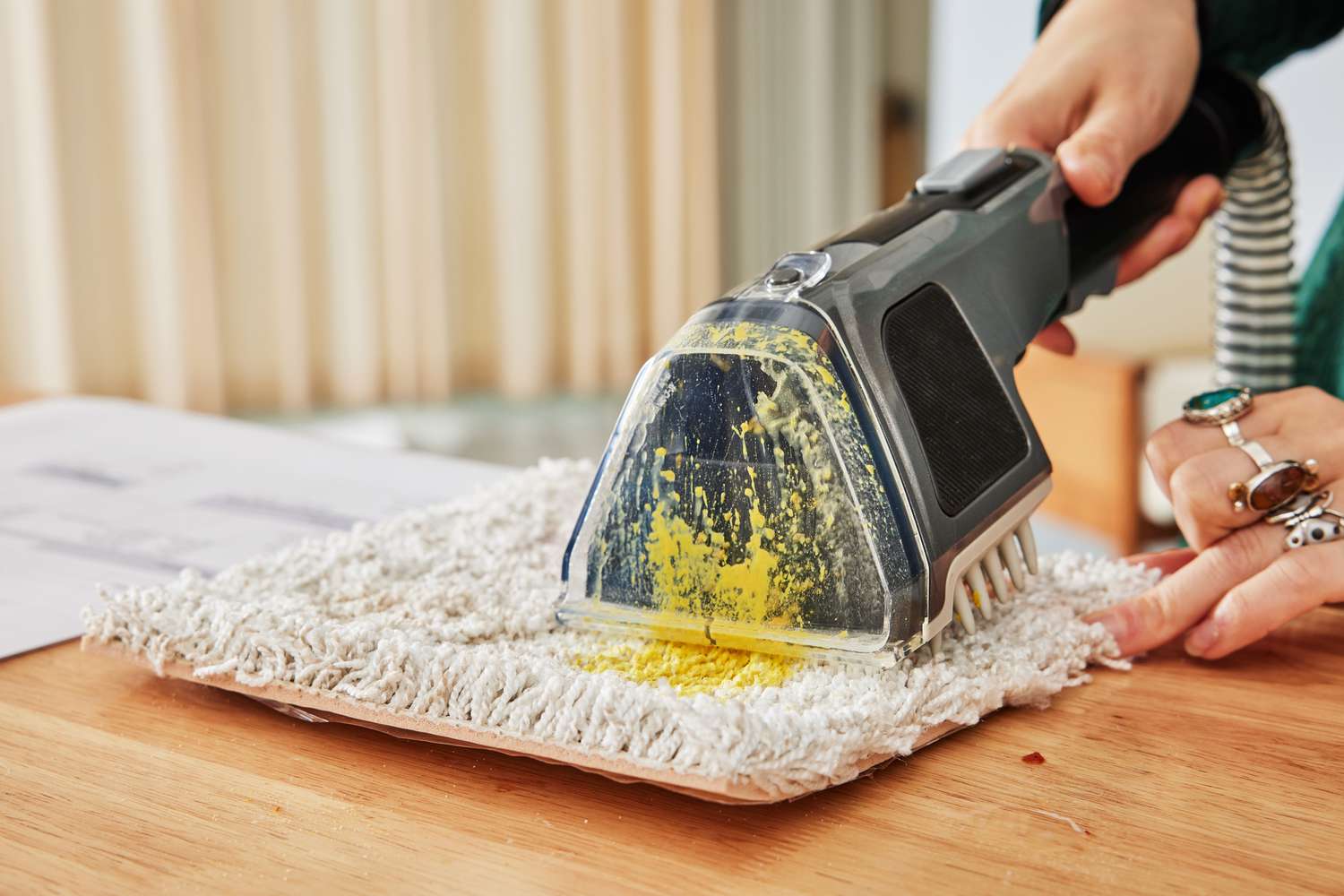
Carpets add comfort, warmth, and beauty to any home. However, daily foot traffic, accidental spills, pet activity, and dust accumulation can cause carpets to lose their fresh appearance over time. Proper carpet care is essential for maintaining clean, attractive floors and extending the lifespan of your investment. By following a few simple carpet cleaning tips, homeowners can keep their carpets looking new and inviting for years.

Vacuum Regularly

Regular vacuuming is the foundation of effective carpet maintenance. Dirt and debris that remain on carpet surfaces can become embedded in the fibers and cause premature wear.

High-traffic areas should be vacuumed at least two to three times per week, while less frequently used rooms may only require weekly vacuuming. Consistent vacuuming removes dirt before it settles deep into the carpet and helps maintain a clean appearance.

Clean Spills Immediately

Accidents happen, but how quickly you respond can determine whether a spill becomes a permanent stain.

When a spill occurs:

  • Blot the area immediately using a clean cloth.
  • Avoid rubbing, as this can spread the stain.
  • Use a carpet-safe cleaning solution when necessary.
  • Continue blotting until the stain lifts.

Prompt action significantly improves the chances of complete stain removal.

Use Entry Mats and Rugs

One of the easiest ways to protect carpets is by placing mats and rugs near entrances. These barriers help capture dirt, moisture, and debris before they reach your carpeted areas.

Encourage family members and guests to wipe their shoes before entering the home. This simple habit can greatly reduce the amount of dirt tracked onto carpets.

Remove Shoes Indoors

Shoes often carry dirt, mud, bacteria, and other contaminants from outside. Allowing shoes on carpets increases wear and introduces particles that can damage carpet fibers.

Creating a no-shoes policy inside the home helps preserve carpet cleanliness and reduces the frequency of deep cleaning. best wood floor cleaning.

Rotate Furniture Periodically

Heavy furniture can leave permanent indentations in carpet fibers over time. Rotating furniture occasionally helps distribute weight more evenly and prevents excessive wear in specific areas.

Rearranging furniture also exposes previously covered sections to light and air, promoting more even carpet aging.

Address Pet Stains Properly

Pet accidents require immediate attention to prevent stains and odors from setting into carpet fibers.

Use cleaning products specifically designed for pet-related messes. These products break down odor-causing bacteria and help eliminate lingering smells. Thorough cleaning also discourages pets from returning to the same spot.

Schedule Professional Carpet Cleaning

Even with regular maintenance, carpets benefit from periodic professional cleaning. Experts recommend professional carpet cleaning at least once or twice a year, depending on household conditions.

Professional services remove deep-seated dirt, allergens, and stains that regular vacuuming cannot reach. This helps restore carpet appearance and maintain a healthier indoor environment.

Protect High-Traffic Areas

Hallways, living rooms, and entryways often experience the most foot traffic. These areas are more susceptible to dirt buildup and fiber wear.

Using area rugs or runners in high-traffic locations provides an additional layer of protection. Regularly cleaning these protective coverings can help preserve the carpet underneath.

Maintain Proper Indoor Humidity

Excessive humidity can contribute to mold growth and unpleasant odors within carpets. Low humidity levels may also affect carpet fibers over time.

Maintaining balanced indoor humidity levels helps protect carpets and supports overall home comfort. Proper ventilation and dehumidifiers can be useful in humid climates.

Use Carpet Protectors

Carpet protectors create a barrier that helps repel spills and stains. Many professional carpet cleaning companies offer protective treatments after cleaning.

These treatments make routine maintenance easier and provide additional protection against everyday accidents and wear.

Clean Spills Immediately

0

Over time, carpet fibers can become flattened due to foot traffic and furniture weight. Using a carpet rake or grooming tool helps lift the fibers and restore their appearance.

Regular grooming can make carpets look fuller and more attractive while helping cleaning solutions penetrate more effectively during maintenance.

Clean Spills Immediately

1

Different carpet materials require different care methods. Always review and follow the manufacturer's maintenance guidelines to avoid accidental damage.

Using recommended cleaning products and techniques helps preserve warranties and ensures optimal carpet performance.

Clean Spills Immediately

2

Keeping carpets looking new requires consistent care and attention. Regular vacuuming, prompt stain removal, protective measures, and professional cleaning all play important roles in maintaining beautiful floors. By following these practical carpet cleaning tips, homeowners can protect their investment, extend carpet life, and enjoy cleaner, more attractive living spaces throughout the year.
How Proper Water Tank Cleaning Prevents Waterborne Diseases in Families

The Direct Link Between Tank Hygiene and Family Health

Neglected water tanks are a hidden source of waterborne diseases such as diarrhea, typhoid, hepatitis A, and Legionnaires’ disease. Regular thorough cleaning breaks the infection chain before pathogens reach your tap and protects every member of the household.

Most Common Pathogens Found in Neglected Tanks

E. coli, Salmonella, Cryptosporidium, and Legionella multiply rapidly in stagnant water. Children under five and adults over 65 face the highest risk, but every family member is vulnerable with prolonged exposure. These organisms can survive for months inside uncleaned tanks.

Read More: شركة تنظيف خزانات بالدمام

Scientific Evidence Supporting Regular Cleaning

Health reports released in early 2026 show that households cleaning tanks every six months experience 68% fewer gastrointestinal illnesses compared with those who clean irregularly or never. The data comes from large-scale studies across multiple countries and confirms the direct health benefits.

Protective Benefits Beyond Obvious Illnesses

Clean tanks reduce skin irritations, respiratory problems from aerosolized bacteria during showers, and chronic fatigue linked to low-level toxin exposure. Improved water quality also enhances food taste and extends the life of household appliances, saving money on repairs.

Integrated Prevention Strategy

Combine professional-level cleaning with point-of-use filters, annual lab testing, and smart tank design. Teach family members basic monthly visual checks to catch early warning signs before problems escalate.

Read More: شركة تنظيف بالدمام

Creating a Family Health Protection Plan

Schedule cleanings on the calendar, keep detailed records, and monitor for unusual taste, odor, or illness. Involve older children in simple checks to build awareness and responsibility. Make cleaning a family routine rather than a chore.

Peace of Mind for Parents

Knowing your tank is properly cleaned means every glass of water, every shower, and every meal contributes to — rather than threatens — your family’s long-term health and well-being. This peace of mind is priceless in 2026 when water quality concerns are rising globally.

Additional Tips for Maximum Protection

Install UV sterilizers on outlet lines, use high-quality inlet filters, and test water quarterly. These extra steps can reduce disease risk even further and give you confidence in your family’s daily water supply.

Contacting us using WhatsApp: Here

Wood Flooring Trends for Modern Homes in 2026

Wood flooring remains one of the most influential elements in interior design, shaping the look and feel of modern homes from living rooms to kitchens. In 2026, flooring trends reflect broader shifts in aesthetic preferences, lifestyle priorities, and sustainable design values — combining timeless appeal with fresh, contemporary sensibilities.

1. Embracing Natural Warmth: Earthy Tones & Organic Textures

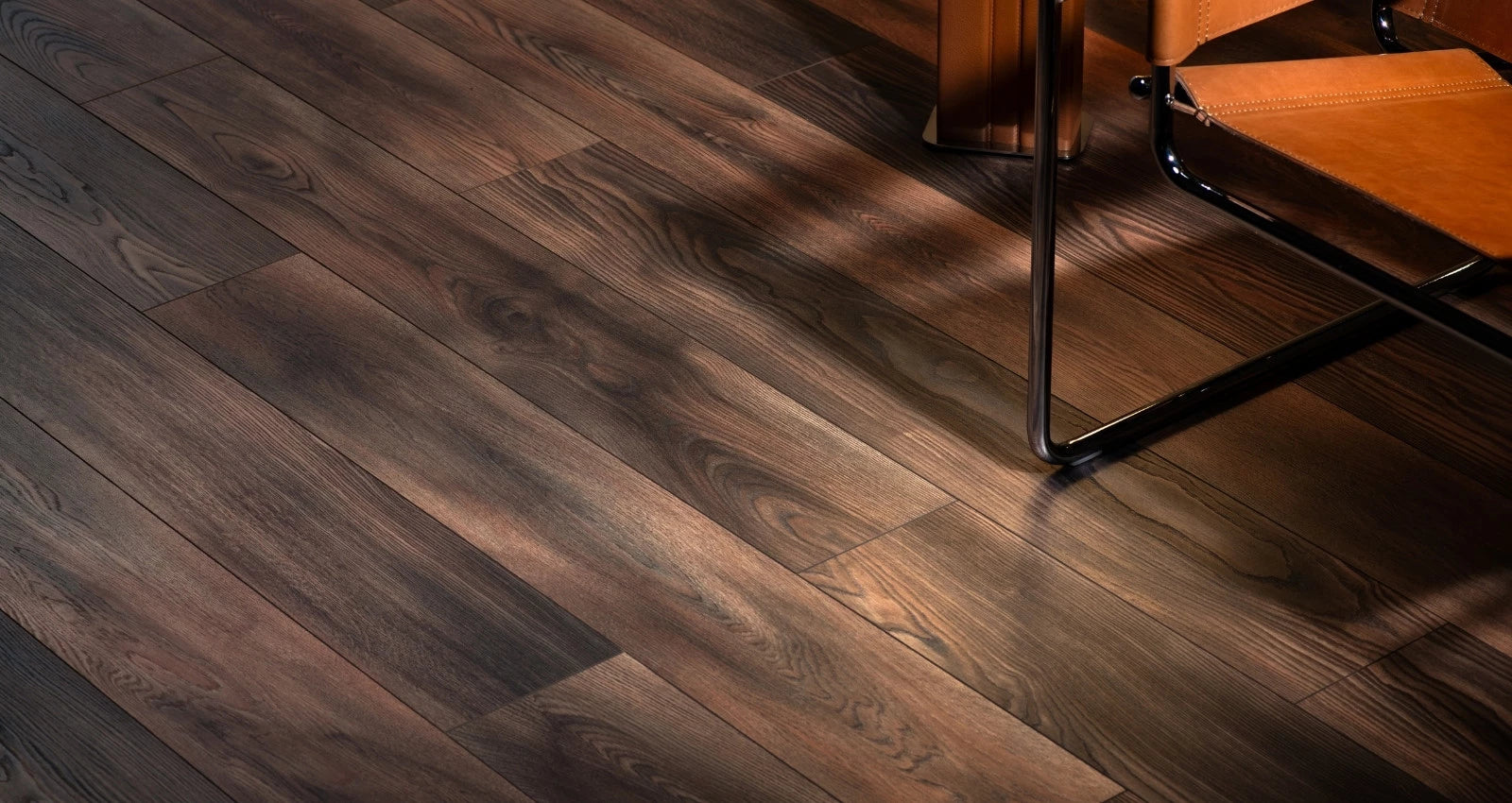
One of the strongest trends for 2026 is a move toward warm, earthy wood tones that create a sense of comfort and connection to nature. After years of cool gray and ultra-light palettes dominating interiors, designers and homeowners are opting for honey, caramel, and soft brown hues that feel inviting and grounded.

According to industry insights, these warm neutrals pair beautifully with a range of décor styles — from Scandinavian minimalism to modern rustic and transitional interiors — and help make large open spaces feel cozy without overwhelming them.

In addition to color, texture plays a key role: wood planks with wire-brushed, hand-scraped, or naturally varied grains add depth and character while masking wear and tear over time.

2. Wide and Variable Planks: A Spacious, Seamless Look

Floorboards are getting broader in 2026. Instead of traditional narrow strips, wide and ultra-wide planks (often 7–10 inches or more) are becoming popular, especially in open-plan living spaces.

Wide planks create a more continuous visual flow across a room, making spaces appear larger and more cohesive. Some designers are even using variable plank widths — mixing sizes in the same room to evoke a more artisan, historic feel reminiscent of old European estates.

This trend supports a broader design philosophy: floors that feel like an integral part of the home’s architecture, not just a backdrop.


3. Patterned Wood Floors: Herringbone, Chevron & Beyond

While straight-laid planks are classic, 2026 is seeing a resurgence of patterned wood flooring — especially herringbone and chevron designs. These layouts add rhythm, movement, and visual interest, transforming floors into design focal points rather than invisible surfaces.

Patterned floors work particularly well in entryways, dining rooms, and bedrooms where architectural detail can shine. They also pair beautifully with minimalist décor, balancing simplicity with subtle sophistication.

4. Color Trends: From Light & Airy to Deep & Dramatic

Color choices for parquet bois toulouse in 2026 are broader and more expressive than ever, with distinct directions emerging:

  • Natural & Light Woods: Blonde and soft oak tones remain popular, especially in smaller spaces or homes seeking a Scandinavian, airy feel. These hues help reflect light and make rooms feel larger.
  • Warm Mid-Tones: Honey, caramel, and amber woods create a welcoming atmosphere that feels both modern and timeless.
  • Rich, Dark Shades: Deep espresso, charcoal, and walnut tones are gaining traction for dramatic contrast, particularly in luxury or contemporary interiors.
  • Greige & Smoky Tones: Hybrid colors like greige (gray + beige) and smoky driftwood finishes offer versatility, blending warm and cool undertones to suit diverse décor schemes.

Across these palettes, there’s a shared emphasis on depth, natural variation, and adaptability — wood floors that harmonize with furnishings and architectural details rather than compete with them.

5. Finishes That Feel Authentic: Matte, Satin & Invisible Coatings

Glossy, mirror-like floors are falling out of favor. In their place are matte, satin, and ultra-low-luster finishes that showcase the wood’s natural beauty while minimizing glare and concealing dust and scratches.

These finishes enhance the raw, organic quality of wood and align with broader design trends that prioritize comfort, texture, and understated elegance.

Invisible finishes — coatings that protect the wood without altering its natural look — are especially popular in biophilic and nature-inspired interiors.

6. Sustainable & Eco-Conscious Choices

Sustainability continues to shape flooring decisions. Many homeowners now prioritize responsibly sourced wood, reclaimed materials, and low-VOC finishes that reduce environmental impact while maintaining design quality.

Reclaimed wood floors, with their unique patina and history, are particularly sought after in modern rustic and eclectic interiors. These floors tell a story while contributing to a circular design ethos.

7. Practical Considerations: Durability, Maintenance & Performance

While style is important, 2026 homeowners also care deeply about performance. Scratch resistance, ease of cleaning, and long-term durability are top priorities — especially for families, pet owners, and high-traffic areas.

This has led to increased interest in engineered wood flooring and water-resistant finishes that offer wood’s aesthetic appeal with enhanced practicality.

8. Coordinating Floors With Overall Home Design

Wood flooring trends in 2026 don’t exist in isolation — they connect with broader interior design movements:

  • Biophilic & Nature-Inspired Interiors: Earthy wood floors pair with indoor plants, natural textiles, and stone accents to create serene, balanced spaces.
  • Warm Minimalism: Instead of stark, cold minimalism, designers are embracing warm neutral palettes that feel intentional and inviting.
  • Modern Rustic & Transitional Styles: Wide planks, textured finishes, and warm tones bridge rustic charm with contemporary clean lines.

Choosing the Right Wood Floor for Your Home

With so many trends emerging, here are a few practical tips to help you decide:

  • Consider your space: Light tones and wide planks can make small rooms feel larger; darker woods add drama to spacious interiors.
  • Match your lifestyle: Matte and textured finishes hide wear and require less upkeep.
  • Think long-term: Trends are inspiring, but classic materials and sustainable choices will keep your floors looking great for decades.
  • Test samples: Always view flooring samples in your home’s lighting — colors and textures can shift dramatically under different light conditions.

Conclusion

Wood flooring in 2026 reflects a rich blend of timeless elegance and contemporary innovation. From warm, natural hues and wide plank formats to patterned layouts and authentic finishes, today’s trends emphasize beauty, comfort, and sustainability. Whether you’re renovating a historic home or building a sleek modern space, wood floors remain a foundational design choice that shapes both the aesthetic and the atmosphere of your interior.

What is Millwork  Discover the Craftsmanship Behind Every Detail

When walking through a beautifully designed home, you might notice the subtle details that make the space feel polished, cohesive, and timeless. From elegant crown molding to custom cabinets and built-in shelving, these elements often fall under the category of millwork. But what exactly is millwork, and why does it matter so much in home design?

This article explores the world of millwork, highlighting the craftsmanship, functionality, and style that go into every detail.

Understanding Millwork

Millwork refers to wood, metal, or composite pieces that are custom-milled in a factory or workshop to serve both functional and decorative purposes in a home or commercial space. The term originates from the woodworking industry, where raw materials are “milled” into precise, finished pieces that fit a specific design.

Unlike generic building materials, millwork is crafted with precision, often custom-designed to meet the homeowner’s style, space, and functional requirements. It’s the combination of artistry and practicality that gives a room its character and architectural identity.

Common Types of Millwork

Millwork can appear in many forms throughout a home, including:

  • Trim and molding: Crown molding, baseboards, chair rails, and casing

  • Custom cabinetry: Kitchen cabinets, bathroom vanities, and built-ins

  • Doors and windows: Interior doors, window frames, and casings

  • Decorative panels: Wainscoting, coffered ceilings, and wall paneling

In essence, millwork is every detail that frames and enhances a space, blending utility with style.

Why What is Millwork Matters in Home Design

Millwork might seem like a small detail, but it plays a big role in both the functionality and aesthetic of a home.

1. Adds Visual Elegance

One of the most immediate benefits of millwork is its ability to enhance the overall look of a space. Crown molding and baseboards provide finishing touches that make walls and ceilings appear intentional and refined. Custom cabinetry and built-ins can become focal points, drawing the eye while offering practical storage.

2. Provides Functional Benefits

Millwork is not just decorative—it also serves practical purposes:

  • Baseboards protect walls from scuffs and damage

  • Wainscoting shields high-traffic areas from wear

  • Custom cabinetry maximizes storage and organization

  • Door and window casings improve durability and insulation

By combining style and functionality, millwork helps a home look beautiful while working efficiently.

3. Elevates Home Value

High-quality millwork often signals attention to detail and craftsmanship, which can significantly boost a home’s resale value. Potential buyers notice custom cabinets, intricate moldings, and built-ins, and these features often make a property stand out in the market.

4. Creates Cohesion and Flow

One of the challenges in home design is creating a space that feels harmonious. Millwork ties together different elements—walls, ceilings, floors, and cabinetry—creating a cohesive and balanced look. Matching trim, molding, and built-ins ensures that each room flows seamlessly into the next.

Materials Used in Millwork

Millwork can be crafted from various materials, depending on style, budget, and intended function.

Wood Millwork

Wood is the traditional choice for millwork due to its durability, versatility, and natural beauty. Common options include:

  • Oak: Bold grain and durability for classic or rustic designs

  • Maple: Smooth, modern, and easy to paint or stain

  • Cherry: Warm tones that deepen over time

  • Walnut: Dark, luxurious wood ideal for upscale spaces

Wood can be left natural, stained, or painted to match the design aesthetic of a home.

Engineered Wood and MDF

Medium-density fiberboard (MDF) and other engineered woods are cost-effective alternatives. They are smooth, easy to shape, and ideal for painted trim, moldings, and modern cabinetry.

Metal and Composite Millwork

For contemporary or industrial designs, metal or composite materials are increasingly popular. These materials are durable, low-maintenance, and provide a sleek, modern look for doors, window frames, or cabinetry accents.

Tips for Incorporating Millwork

  • Match millwork to your style: Traditional homes suit ornate molding, while modern homes work well with clean, minimal trim.

  • Think about scale: Oversized trim in a small room can feel heavy, while subtle trim in a large space can feel elegant.

  • Prioritize function and durability: Choose millwork that protects surfaces and maximizes storage where needed.

  • Invest in quality craftsmanship: Well-made millwork lasts for decades and adds long-term value.

Final Thoughts

Millwork is more than decorative detail—it’s the craftsmanship that brings a home to life. From custom cabinetry and crown molding to wainscoting and window casings, millwork blends style, functionality, and architectural integrity.

By thoughtfully selecting materials, designs, and finishes, homeowners can transform ordinary rooms into polished, cohesive spaces. Every piece of millwork tells a story of attention to detail, durability, and style, making it an essential element in creating homes that are both beautiful and enduring.

Investing in quality millwork ensures that your home feels complete, elegant, and uniquely yours, elevating both the look and the value of your space.

Top Hardwood Options for Wood for Custom Cabinets You Should Know

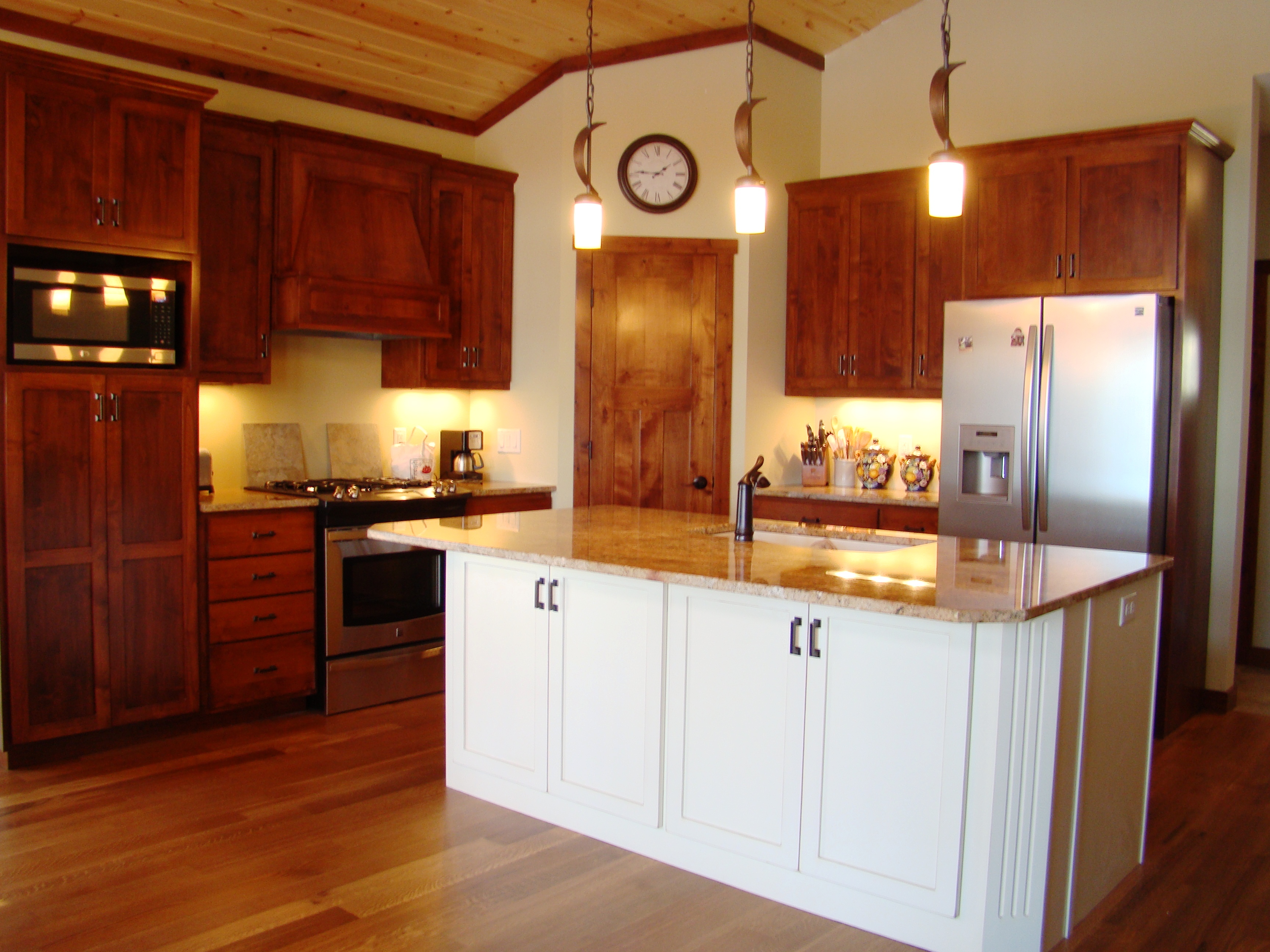
Custom cabinets are more than just storage—they shape the style, personality, and value of your home. Whether you’re designing a dream kitchen, upgrading your bathroom, or creating built-in storage, the type of hardwood you choose plays a huge role in the final look and durability of your cabinets.

Hardwoods are a favorite choice for custom cabinetry because they are strong, long-lasting, and naturally beautiful. Each hardwood species has its own color, grain pattern, and characteristics that make it unique. Choosing the right one can make your cabinets stand out while also ensuring they perform well for years.

Let’s explore some of the top hardwood options for custom cabinets that every homeowner and designer should know.

Why Hardwood Is Ideal for Custom Cabinets

Hardwood comes from slow-growing trees, which makes it denser and stronger than softwood. This natural density gives hardwood cabinets excellent durability and resistance to everyday wear.

Another advantage is the rich grain patterns and natural tones hardwood offers. These unique features bring warmth and character to cabinets, making them feel authentic and high-end.

Hardwood also responds well to different finishes. Whether you prefer a natural stain, dark polish, or painted cabinets, hardwood can adapt beautifully.

Oak: The Classic Cabinet Choice

Strength and Character

Oak has long been a popular choice for cabinetry because of its remarkable durability and bold grain pattern. It is a strong hardwood that can withstand years of use in busy kitchens.

Distinctive Grain Pattern

One of the most recognizable features of oak is its visible grain. The natural texture gives cabinets a traditional and rustic charm that many homeowners love.

Best Use

Oak works especially well in classic kitchens, farmhouse designs, and spaces where you want cabinets to have noticeable character.

Maple: Clean, Smooth, and Modern

Subtle and Elegant Appearance

Maple is known for its smooth grain and light, creamy color. It provides a sleek and refined appearance that fits beautifully in modern and transitional kitchens.

Durable and Versatile

Despite its elegant look, maple is extremely durable. It can handle everyday kitchen activity while maintaining its structure and beauty.

Best Use

Maple is often used for painted cabinets or light wood finishes, making it perfect for contemporary and minimalist designs.

Cherry: Rich and Luxurious

Natural Warmth

Cherry wood is famous for its rich reddish-brown color and smooth grain. Over time, the wood naturally darkens, creating a deeper and more luxurious tone.

Sophisticated Look

Because of its warm appearance, cherry wood for cabinets add an elegant feel to kitchens and living spaces. They often become a centerpiece of the room’s design.

Best Use

Cherry is ideal for homeowners who want a high-end, classic, and refined cabinet style.

Walnut: Dark and Dramatic

Premium Appearance

Walnut is one of the most visually striking hardwoods available. Its deep brown tones and flowing grain patterns create a dramatic and sophisticated look.

Strong but Stylish

Walnut offers both strength and beauty, making it a premium option for custom cabinetry.

Best Use

This hardwood is often chosen for luxury kitchens, modern interiors, and statement cabinetry where bold design is desired.

Hickory: Rustic and Durable

Natural Strength

Hickory is one of the hardest and most durable hardwoods used in cabinetry. It can easily handle heavy use and daily wear.

Unique Color Variation

Hickory often features dramatic color contrasts, ranging from light cream tones to dark brown streaks. This variation gives cabinets a natural and rustic personality.

Best Use

Hickory is perfect for farmhouse kitchens, rustic homes, and nature-inspired designs.

Birch: Affordable Hardwood Option

Budget-Friendly Beauty

Birch is a hardwood that provides a similar look to maple but often at a more affordable price. It has a fine grain pattern and light color.

Flexible for Finishes

Because of its neutral tone, birch works well with many different stains and finishes.

Best Use

Birch is a great choice for homeowners who want durable hardwood cabinets without stretching their budget too far.

How to Choose the Right Hardwood for Your Cabinets

Choosing the best hardwood depends on several important factors:

Style of Your Home

Modern kitchens often look best with smooth-grain woods like maple or walnut, while traditional spaces may benefit from oak or cherry.

Budget

Some hardwoods, like walnut and cherry, are considered premium materials. If budget is a concern, birch or oak may be better options.

Maintenance and Durability

Busy households should consider hardwoods that are strong and resistant to dents and scratches, such as oak or hickory.

Final Thoughts

Selecting the right hardwood is one of the most important steps when designing custom cabinets. The wood you choose will influence the appearance, durability, and overall feel of your space.

Oak offers timeless strength, maple provides smooth modern elegance, cherry brings luxurious warmth, walnut creates dramatic beauty, hickory adds rustic charm, and birch delivers affordability with style.

By understanding these hardwood options, you can confidently choose a cabinet material that not only matches your design vision but also adds lasting beauty and value to your home for many years to come.