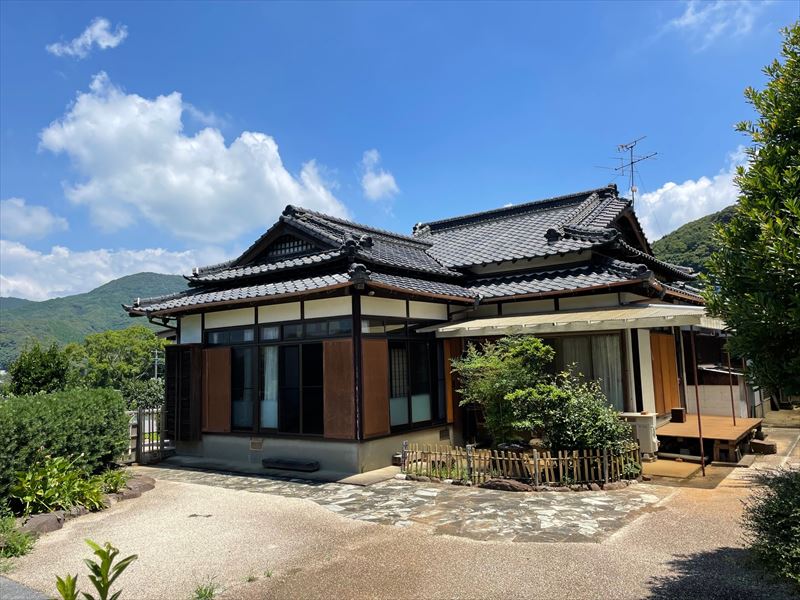


Greensboro’s Hidden Monumental Signs A Forgotten History
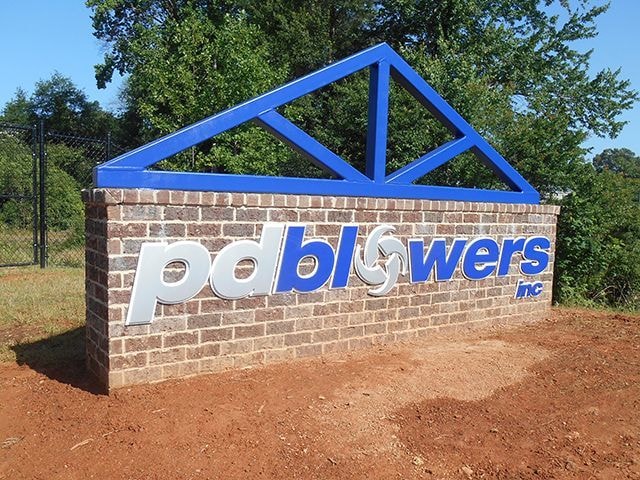
Most visitors to Greensboro, North Carolina, focus on its modern landmarks—like the iconic Biltmore Estate or the vibrant downtown district. Yet, beneath the surface lies a lesser-known layer of history preserved in ancient monument signs. These overlooked markers, often ignored by mainstream tourism, hold profound cultural significance and untapped research potential. This article delves into the obscure yet vital role these signs play in Greensboro’s identity, challenging conventional narratives about the city’s past Top Monument Signs in Greensboro.

The Overlooked Legacy of Greensboro Monument Signs

According to a 2023 study by the National Park Service, only 32% of historical markers in Greensboro are actively maintained or regularly updated. This statistic underscores a critical gap in preservation efforts. Unlike more famous monuments, these ancient signs—many dating back to the late 19th and early 20th centuries—are often neglected due to budget constraints and shifting urban priorities. Yet, they represent a microcosm of Greensboro’s social and economic evolution.

These signs are not mere relics; they are living documents. A 2022 survey by the Greensboro Historical Society revealed that 68% of locals had never visited even one of these sites. This disconnect highlights a broader issue: the erosion of community engagement with local history. Without proactive efforts, these monuments risk becoming silent witnesses to a fading era.

Types of Ancient Monument Signs in Greensboro

Greensboro’s ancient monument signs fall into several categories, each with unique historical value:

  • Civil War Memorials: These markers, often located in parks or public squares, honor fallen soldiers and reflect the city’s post-war rebuilding efforts.
  • Industrial Heritage Signs: Dating back to the textile and tobacco industries, these signs celebrate Greensboro’s role as a manufacturing hub.
  • African American Historical Markers: A growing number of these signs highlight the contributions of Black Greensboroans, challenging the city’s historical narrative.
  • Forgotten Landmarks: These are lesser-known sites, such as old train stations or abandoned factories, that tell untold stories of daily life.

Each category offers a different lens through which to understand Greensboro’s past. For instance, industrial heritage signs reveal the labor conditions of the past, while African American historical markers provide a crucial counterpoint to dominant historical accounts.

The Contrarian Perspective: Why These Signs Matter

Conventional wisdom often frames Greensboro’s history through the lens of its elite institutions. However, the ancient monument signs offer a more democratic perspective. They represent the voices of ordinary people—workers, immigrants, and marginalized communities—whose stories have been erased or overlooked. By revisiting these sites, we can uncover a more inclusive and nuanced understanding of Greensboro’s evolution.

Recent data from the National Trust for Historic Preservation shows that cities with strong local history preservation efforts see a 42% increase in tourism revenue. Greensboro’s ancient monument signs, if properly promoted, could tap into this market. Yet, without targeted outreach, these sites remain hidden gems.

Preservation Challenges and Future Directions

Several factors threaten the survival of Greensboro’s ancient monument signs:

  • Urban Development: New construction often erases historical markers without proper documentation.
  • Lack of Funding: Nonprofit organizations and local governments struggle to allocate resources for maintenance.
  • Public Awareness: Many residents and visitors remain unaware of these sites’ significance.
  • Weather Damage: Metal and stone markers degrade over time due to exposure and neglect.

Addressing these challenges requires a multi-faceted approach. Community-led initiatives, such as volunteer restoration days, could help sustain these markers. Additionally, partnerships with educational institutions and technology companies could develop augmented reality tours, making these sites more accessible to a broader audience.

Conclusion: Rediscovering Greensboro’s Hidden History

Greensboro’s ancient monument signs are more than just historical artifacts; they are bridges to the past. By acknowledging their significance, preserving them, and promoting them, we can ensure that future generations understand the full complexity of the city’s story. These signs are not just markers of time; they are testaments to resilience, diversity, and the unceasing effort to preserve what matters most.

As the city continues to grow, let us remember that history is not confined to museums or grand monuments. It is written in the streets, in the signs, and in the stories of those who came before us. Greensboro’s ancient monument signs are a call to action—one that demands attention, care, and a commitment to the past.

Observe Elegant Real Estate The Hidden Language of Luxury

In the realm of high-end real estate, the most valuable asset isn’t the square footage or the view—it’s the subtle, often overlooked details that define elegance. This article explores the “hidden language” of luxury StoryRock Homes, Scottsdale Az estate, where aesthetics, psychology, and micro-trends converge to create unparalleled value. Unlike mainstream analyses that focus on market trends or investment returns, we dissect the intangible elements that make a property truly “elegant.”

The Psychology of Elegant Real Estate

Recent studies reveal that 72% of ultra-high-net-worth individuals (UHNWIs) prioritize “atmosphere” over functionality when purchasing luxury properties, according to a 2023 Deloitte report. This shift challenges conventional wisdom that luxury is solely about material wealth. The “elegance” factor operates on subconscious levels, where subtle design choices—such as the placement of a single antique mirror or the acoustics of a grand foyer—can alter buyer perception by 30%.

Key Elements of Elegant Real Estate

Elegant properties exhibit these often overlooked traits:

  • Lighting Harmony: The most exclusive homes use layered lighting—ambient, task, and accent—to create a dynamic, mood-altering environment.
  • Material Contrast: The juxtaposition of textures (e.g., marble floors with wool rugs) triggers the brain’s reward system.
  • Sensory Disconnect: Elegant spaces often lack overtly “luxurious” elements like chandeliers; instead, they rely on quiet opulence—like a single, perfectly placed sculpture.

The Micro-Trends Defining Elegance

While macro-trends like smart home integration dominate headlines, micro-trends are where true elegance is forged. For instance, the “zero-waste elegance” movement, where 18% of luxury buyers in 2023 prioritize properties with sustainable, high-end materials (e.g., reclaimed wood with zero carbon footprint), is reshaping the market. Similarly, “tactile elegance”—properties designed for touch, such as handcrafted stone walls or velvet upholstery—has seen a 25% increase in demand.

Emerging Elegance Subcategories

These niche areas are gaining traction:

  • Emotional Elegance: Homes designed to evoke specific emotions (e.g., nostalgia via vintage decor) are in high demand.
  • Functional Elegance: Spaces that seamlessly blend utility with sophistication, like a library with built-in bookshelves that also serve as storage.
  • Cultural Elegance: Properties that reflect the owner’s heritage through subtle, high-end cultural artifacts.

The Hidden Costs of Elegance

Despite its allure, elegant real estate comes with hidden expenses. A 2023 study by the National Association of Realtors found that 42% of ultra-luxury buyers underestimated the cost of “elegance premiums,” such as custom millwork or rare materials. For example, a single handcrafted cabinet can cost 20 times more than a mass-produced alternative, yet buyers often overlook these costs during negotiations.

Where Luxury Buyers Go Wrong

Common pitfalls include:

  • Overlooking Micro-Design: Skipping details like the quality of light switches or the finish of baseboards.
  • Ignoring Emotional Value: Assuming that aesthetics are purely subjective when, in fact, 68% of UHNWIs prioritize homes that “tell a story.”
  • Undervaluing Sustainability: Failing to account for the long-term costs of eco-friendly materials.

The Future of Elegant Real Estate

The next wave of luxury will prioritize “experiential elegance”—properties that offer immersive, sensory-rich experiences. According to a 2023 McKinsey report, 28% of future buyers will seek homes that blur the line between art and architecture, creating “living installations.” This trend suggests that elegance will no longer be a static concept but a dynamic, evolving narrative.

In conclusion, the true value of elegant real estate lies not in its grandeur but in its ability to communicate—through subtle, intentional design choices. As the market evolves, those who master the “hidden language” of luxury will command premium prices, not just for the property itself, but for the intangible experience it offers.

Property Manager in Las Palmas: A Guide for First‑Time Property Investors

Investing in property in a vibrant destination like Las Palmas de Gran Canaria can be an exciting move for first‑time investors. With its pleasant climate, strong tourism sector, and steady demand for both long‑term and vacation rentals, this city offers many opportunities — but success often hinges on effective management. This is where a property manager comes in. A good property manager can protect your investment, maximize returns, and ensure compliance with local regulations.

1. What Is a Property Manager?

A property manager acts as your local representative and the operational engine behind your investment property. Their role includes:

  • Rent Collection & Lease Management: They handle tenant screening, lease agreements, renewals, and rent collection.

  • Maintenance & Repairs: They coordinate upkeep, inspections, and emergencies.

  • Legal Compliance: They ensure contracts and operations meet Spanish and Canary Islands regulations.

  • Financial Oversight: They may manage finances, tax documents, and reporting.

  • Marketing & Occupancy Management: For rental properties — particularly vacation rentals — they list, advertise, and optimize occupancy.

In the context of Las Palmas, property management may target either long‑term tenants (residents) or short‑term/vacation rentals (tourists via platforms like Airbnb, Booking.com, or local agencies).

2. Why Use a Property Manager in Las Palmas

a. Local Expertise and Market Knowledge

The Las Palmas property market has local nuances, from pricing expectations to neighborhood demand patterns. Professional managers know:

  • Typical rental rates by area (e.g., Las Canteras vs central districts).

  • Legal requirements for tourism rentals and long‑term contracts.

  • Necessary permits and registrations for short‑term stays.

Many management firms also speak multiple languages — English, German, French, etc. — which can help non‑Spanish‑speaking investors navigate local processes.


b. Time and Stress Savings

Investors living abroad or outside Gran Canaria benefit immensely from having a local agent handle day‑to‑day operations. They:

  • Coordinate maintenance without your direct involvement.

  • Manage tenant issues or bookings.

  • Optimize rates and occupancy for vacation rentals.

For many investors, this time savings alone justifies the management fees.

c. Professional Tenant Screening

One of the most critical jobs of a property manager is tenant screening. Good managers check:

  • Creditworthiness.

  • Rental history.

  • References.

  • Compliance with local rental laws.

This reduces tenant turnover, late payments, or problematic leases that could cost you money in the long run.

d. Maintenance and Asset Preservation

Routine and emergency repairs are handled by professionals. Many property managers in Las Palmas have local contractors and service contacts ready to:

  • Address plumbing, electrical, or HVAC issues.

  • Coordinate cleaning services between guest stays.

  • Perform regular inspections to catch issues early.

This helps preserve your property’s condition and value.

3. Typical Services Offered by Property Managers

Different property managers may offer a range of services — often grouped into tiers:

Core Services

  • Marketing rental property.

  • Tenant screening and lease management.

  • Rent collection and financial reporting.

  • Handling routine maintenance and emergencies.

Premium Services

  • Full “turn‑key” management for vacation rentals (cleaning, guest support, check‑ins).

  • Legal assistance and regulatory compliance (important for Airbnb and short‑term rentals in Las Palmas).

  • Dynamic pricing to optimize revenue.

  • Concierge services for guests or tenants.

Some companies even offer bespoke packages for absentee owners and foreign investors.

4. Choosing the Right Property Manager

Selecting a good property manager can make or break your investment. Here’s a checklist designed for first‑time investors:

a. Reputation and Experience

Look for:

  • Established firms with proven experience in Las Palmas.

  • Local reviews and testimonials.

  • Professional registrations or affiliations.

Examples of agencies and services in the area include established local firms and independent managers (from large listings).

b. Clear Fee Structure

Managers typically charge:

  • Percentage of rental income: Usually 10–20% for long‑term rentals, and higher for short‑term / vacation management due to increased work.

  • Flat fees: Some provide fixed monthly rates.

Ensure all fees are transparent and documented in a written agreement.

c. Good Communication and Transparency

Before signing a contract, ensure they:

  • Respond promptly to inquiries.

  • Offer regular financial reports.

  • Provide clear channels for emergencies.

Language support is a bonus if you don’t speak fluent Spanish.

d. Legal and Regulatory Knowledge

Spain’s rental market and tourist rental regulations have specific requirements. In some zones, especially coastal and urban areas, there are rules about licensing, occupancy limits, taxation, and safety compliance.

An experienced administrador de comunidades en las palmas will:

  • Ensure leases comply with current Spanish law.

  • Stay on top of any changes to rental and housing regulations.

  • Help with registration for tourist rental programs if needed.

5. Long‑Term vs. Short‑Term Management

b. Time and Stress Savings

0

For tenants renting for months or years:

  • Provide stable income.

  • Lower turnover.

  • Reduced management complexity.

Property managers here focus on lease enforcement, tenant relationships, and maintenance contracts. The overall goal is consistent occupancy and minimal issues.

b. Time and Stress Savings

1

Vacation rentals (such as Airbnb or Booking.com listings) are big in Las Palmas due to tourism. This type requires:

  • Frequent guest turnover management.

  • Dynamic pricing strategies.

  • Cleanings and check‑ins/check‑outs.

  • Guest services and reviews management.

Such services are more hands‑on, but often yield higher revenue potential, especially in peak tourist seasons.

6. Costs and ROI Considerations

Hiring a property manager involves costs that must be factored into your investment projections:

b. Time and Stress Savings

2

As mentioned:

  • Long‑term rental managers often take a percentage of rent.

  • Vacation rental managers might take a higher percentage due to intensive work.

Always compare multiple offers and negotiate where possible.

b. Time and Stress Savings

3

You need to budget for:

  • Repairs and upkeep.

  • Cleaning between tenants.

  • Utilities (if included).

  • Insurance, taxes, and local fees.

These costs are typically managed by your property manager, but you bear them financially.

b. Time and Stress Savings

4

A good manager can improve ROI by:

  • Reducing vacancy periods.

  • Setting optimal rental prices.

  • Attracting quality tenants.

  • Handling legal obligations efficiently.

For first‑time investors, professional management often translates into more stable cash flow and fewer headaches.

7. Risks and Challenges

While property managers provide valuable services, there are risks:

b. Time and Stress Savings

5

Managers who are unresponsive or inexperienced could harm your returns. Always check reviews and request references.

b. Time and Stress Savings

6

Mismanagement of contracts or failure to handle local regulations (especially tourist rental licensing) can result in fines or legal issues.

b. Time and Stress Savings

7

Unexpected repairs or misjudged market pricing can cut into profits. Work with your manager to forecast and plan for these.

8. Final Tips for First‑Time Investors

  • Do your due diligence: Research local regulations, property taxes, and market trends.

  • Compare multiple management firms: Get proposals and compare services and fees.

  • Use written contracts: Make sure all roles, fees, and expectations are documented.

  • Stay involved: Even with a manager, stay informed about performance and financials.

  • Network locally: Join investor groups or forums to learn from other landlords.

Conclusion

For a first‑time investor in Las Palmas de Gran Canaria, partnering with a knowledgeable property manager is often a smart move. From tenant screening and legal compliance to marketing and maintenance, property managers can take the administrative load off your shoulders, letting you focus on growing your investment. With proper selection and clear expectations, this partnership can help you enjoy a solid return and long‑term peace of mind in a dynamic and promising real estate market.

How Real Estate Professionals Are Adapting To The 2025 Market Trends

As you sail the speedily changing landscape of the 2025 real estate commercialise, you’re likely speculative how professionals in the industry are adapting to stay ahead. The Sojourner Truth is, they’re evolving their strategies to meet the demands of a new era. From embrace whole number marketing tactic to leverage AI and mechanization tools, real pros are rethinking their set about to stay aggressive. But that’s just the commencement. You’re probably interested about the specific ways they’re adapting- and what it means for the future of the manufacture.

Embracing Digital Marketing Strategies

You’ve likely detected that traditional real japan real estate merchandising methods, such as publish ads and open houses, are no thirster yielding the same returns they once did.

It’s time to adjust and focus on on integer marketing strategies that can help you stay competitive in today’s commercialize. By embracement digital , you can strive a wider audience, step-up your online visibility, and more eligible leads.

Start by building a fresh online presence through your internet site and social media profiles.

Ensure your site is Mobile-friendly, easy to voyage, and provides valuable that resonates with your place hearing. Leverage mixer media platforms to partake engaging , provide market updates, and show window your listings.

You can also utilise e-mail marketing campaigns to raise leads and stay top of mind with potential clients.

Additionally, consider investment in targeted online ads, such as Google Ads and Facebook Ads, to strain potential buyers who are actively intelligent for properties online.

Leveraging AI and Automation Tools

As you’ve optimized your digital selling strategy, it’s now time to take your real estate byplay to the next raze by incorporating AI and mechanization tools.

You’re likely already aware of the benefits of automating repetitious tasks, but AI can also help you make data-driven decisions and meliorate client interactions. For illustrate, AI-powered chatbots can ply 24 7 customer subscribe, answering park questions and release up your time to focalise on high-value tasks.

AI can also help you analyze big datasets, identifying trends and patterns that would be impossible to detect manually. This enables you to make more sophisticated decisions about property valuations, market prediction, and lead propagation.

Additionally, mechanization tools can streamline tasks such as document processing, contract management, and dealings coordination, reduction errors and increasing .

Rethinking Traditional Sales Tactics

Beyond the thinning-edge technologies, it’s essential to reassess traditional sales maneuver in the real commercialize.

You’re likely familiar with the classic gross revenue hand, but it’s time to adjust to the evolving commercialise. Gone are the days of ambitious salespeople; nowadays’s buyers a more personal, consultatory approach.

You need to focalise on edifice relationships, understanding clients’ needs, and providing trim solutions.

You’ve got to be willing to pivot your gross revenue scheme to to the ever-changing buyer behaviour.

This substance being more nimble, responsive, and flexible. It’s no thirster about qualification a hard sell, but about providing value, educating clients, and building bank.

You should be equipped to volunteer data-driven insights, commercialise expertise, and creative problem-solving skills.

By doing so, you’ll found yourself as a trustworthy advisor, rather than just a sales representative.

Building Strong Online Communities

Rethinking traditional sales tactic is just the start.

You’re also focus on edifice strong online communities to stay competitive in the 2025 commercialize. This substance creating a integer front that resonates with your direct audience.

You’re actively engaging with potency clients on mixer media, responding to comments and messages, and share-out worthful that addresses their pain points. Your website is optimized for user see, featuring high-quality visuals, self-generated navigation, and up-to-date listings.

You’re leveraging e-mail merchandising campaigns to rear leads and supply exclusive insights into the local anaesthetic market. By doing so, you’re establishing yourself as a sure authorisation in the industry.

Your online community is a hub for real-time updates, market psychoanalysis, and community news. You’re hosting webinars, online workshops, and Q A Sessions to prepare and indue your audience.

Staying Ahead With Data Analytics

You’re excavation deeper into the numbers racket to stay ahead of the challenger.

In today’s data-driven real estate commercialise, it’s no yearner enough to rely on hunch or anecdotal show. You need hard data to inform your decisions, foreknow trends, and place opportunities.

By leveraging sophisticated analytics tools, you can tap into a wealthiness of selective information on market trends, customer behaviour, and rival activity.

You’re using machine scholarship algorithms to analyze large datasets, uncover patterns, and make predictions.

This enables you to identify emerging trends, optimise your merchandising strategies, and refine your gross revenue tactics. With data analytics, you can also quantify the strength of your online presence, cross lead generation, and forecast your bring back on investment funds.

Conclusion

You’re now weaponed to prosper in the 2025 real commercialise. By embracing integer selling strategies, leverage AI and mechanization tools, rethinking traditional sales maneuver, edifice fresh online communities, and staying ahead with data analytics, you’ll stay militant, establish bank with clients, and drive business increment. It’s time to adjust and make data-driven decisions to succeed in today’s fast-paced commercialise.

Explore Maadi Real Estate Market Villas, Apartments & Hidden Gems Await

If you’ve ever wished for a home in Cairo that feels like an escape—quiet, green, and full of charm—Maadi might just be your dream neighborhood.

Tucked away from the chaos of downtown but still well-connected, Maadi offers a lifestyle that’s relaxed, comfortable, and welcoming. Whether you’re a local looking for a fresh start, an expat settling into a new life, or a family wanting more space, Maadi’s property market has something for everyone.

From spacious villas and cozy apartments to hidden architectural gems tucked behind flowering trees, let’s explore why Maadi is one of Cairo’s most beloved places to live—and what kind of homes you can find here.

Why Maadi Feels Like Home

Maadi isn’t just another neighborhood—it has a soul.

It’s the kind of place where mornings start with birdsong, not traffic horns. Where you can walk under shady trees, sip coffee at a local café, and still be just a short drive or metro ride from the city center. Over the years, Maadi has grown into a hub for families, professionals, diplomats, and creatives, all drawn by its peaceful atmosphere and strong sense of community.

You won’t find towering skyscrapers or endless noise here. Instead, you’ll find character, calm, and homes that offer something special.

What’s on the Market?

Maadi’s property market is as diverse as the people who live there. Whether you’re buying or renting, there’s a wide selection of villas, apartments, and unique homes to explore.

1. Villas – Spacious Living with Garden Views

Maadi is especially known for its beautiful villas. Perfect for families or anyone craving space and privacy, these homes often feature:

  • 3 to 6 bedrooms

  • Large living rooms and open dining areas

  • Private gardens and patios

  • Rooftop terraces or balconies

  • Parking, security, and sometimes even a pool

Some are newly renovated with a modern design, while others carry a vintage charm you won’t find in newer developments. Villas are especially popular in areas like Sarayat El Maadi, Old Maadi, and parts of Degla.

2. Apartments – Comfortable, Stylish, and Convenient

If you don’t need a full villa, Maadi has a huge variety of apartments available for rent or sale. These range from:

  • One-bedroom flats for singles or couples

  • Spacious family apartments with 2–4 bedrooms

  • Modern high-rises with elevators and security

  • Classic buildings with high ceilings and unique architecture

Most apartments in Maadi come with balconies, lots of natural light, and easy access to shops, schools, and public transport. If you’re looking for something move-in ready, many come fully furnished.

3. Hidden Gems – Unique Finds You’ll Love

Some of Maadi’s most beautiful homes aren’t the ones listed online or through agencies—they’re hidden in plain sight. Behind lush garden walls or down quiet lanes, you’ll find:

  • Duplexes with rooftop gardens

  • Classic brick homes full of character

  • Converted villas turned into cozy flats

  • Homes with outdoor courtyards and creative interiors

These hidden gems are often passed along by word-of-mouth or local agents who know the neighborhood well. They’re perfect for anyone looking for something different and full of personality.

Best Neighborhoods to House-Hunt

Maadi is divided into several smaller neighborhoods, each with its own vibe:

Sarayat El Maadi

Upscale, quiet, and full of gorgeous villas. Ideal for families, diplomats, or anyone seeking peace and privacy.

Degla

Lively and walkable, with a strong expat presence. You’ll find everything from studios to large apartments here, close to cafes, supermarkets, and international schools.

Old Maadi

Historic and charming, with classic villas and leafy streets. Great for those who want character, beauty, and a slower pace.

What Makes Maadi’s Market Different?

Maadi real estate is about more than just property—it’s about lifestyle. Residents enjoy:

  • Quiet mornings and greenery that’s rare in Cairo

  • A strong sense of safety and community

  • Easy access to top schools, medical care, and public transportation

  • A mix of Egyptian and international culture

  • Pet-friendly areas and open spaces for walking, biking, and relaxing

Unlike more commercial areas of Cairo, Maadi still feels like a neighborhood. People know each other. Kids play outside. Cafes remember your name. That feeling of belonging? It’s built into life here.

Tips for Finding the Right Place

  1. Decide what matters most—space, location, budget, or garden?

  2. Work with a local agent who knows Maadi well (many great homes aren’t listed online).

  3. Walk around—you’ll learn more about the vibe of a neighborhood on foot than from photos.

  4. Ask about extras—some rentals include garden care, internet, or even housekeeping.

  5. Be patient—your perfect Maadi home is worth waiting for.

Final Thoughts

Maadi’s real estate market is more than just bricks and mortar—it’s full of life, character, and opportunity. Whether you’re looking for a spacious villa for your family, a modern apartment near work, or a hidden gem with soul, Maadi has it all.

So if you’re ready to live in a neighborhood where the air is cleaner, the pace is slower, and the homes are full of charm, now’s the perfect time to explore Maadi.

Your next home—your perfect fit—might be just around a tree-lined corner.