



How to Read Pay Stubs Like a Pro?
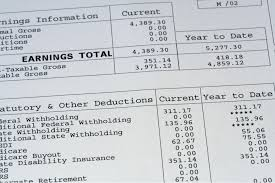
Understanding your pay stub may seem daunting at first, but learning to read it like a pro can give you better control over your finances, ensure accurate pay, and make tax season much easier. A pay stub, sometimes called a paycheck stub or earnings statement, is a document that breaks down your wages, deductions, and net pay. While it might look complicated with numbers and abbreviations, each section serves a purpose.
Here’s your ultimate guide to reading pay stubs confidently.
Start With the Basics: Personal and Employer Information
Every pay stub begins with identifying information. This section is crucial because it ensures that the pay stub is linked to the correct employee and employer.
- Employee Name and Address: Confirms that the pay is issued to you.
- Employer Name and Address: Verifies the company paying you.
- Pay Period: Shows the dates of work the pay stub covers, usually weekly, biweekly, or monthly.
- Pay Date: The actual date the payment is issued.
Checking this section helps you ensure that your pay aligns with the correct period and employer.
Understand Gross Pay
Gross pay is the total amount of money you earn before deductions. It includes:
- Regular Wages: Based on your hourly rate or salary.
- Overtime Pay: Extra pay for hours worked beyond the standard workweek.
- Bonuses and Commissions: Any additional incentives earned during the pay period.
- Other Earnings: Such as tips, hazard pay, or shift differentials.
Knowing your gross pay is essential because all deductions—taxes, benefits, and contributions—are calculated from this figure.
Identify Taxes and Deductions
This is often the most confusing part of a pay stub. Taxes and deductions reduce your gross pay to arrive at your net pay. Common deductions include:
- Federal Income Tax: Withheld according to the IRS tax tables.
- State Income Tax: Applicable in states with income tax.
- Social Security Tax: Usually 6.2% of your gross pay.
- Medicare Tax: Typically 1.45% of your gross pay.
- Local Taxes: Some cities or municipalities may impose additional taxes.
Other deductions may be voluntary, such as:
- Health Insurance Premiums
- Retirement Contributions (401(k), IRA, etc.)
- Life Insurance or Disability Coverage
- Union Dues
Understanding these deductions helps you verify that your employer is withholding the correct amounts and ensures you are receiving proper benefits.
Net Pay: The Bottom Line
Net pay, often referred to as “take-home pay,” is what you actually receive after all deductions. It’s the most important number on your pay stub because it tells you how much money you can spend or save. Always compare your net pay to your expected amount and investigate discrepancies immediately.
Track Year-to-Date (YTD) Totals
Most pay stubs include year-to-date (YTD) totals, which sum up your earnings, taxes, and deductions from January 1st to the current pay period. YTD information helps you:
- Monitor your total earnings for the year.
- Estimate your tax liability.
- Check if deductions, like retirement contributions or health premiums, are accurate.
- Track bonuses, overtime, or irregular payments.
Being familiar with YTD figures ensures you stay on top of your financial goals and tax planning.
Learn the Abbreviations
Pay stubs often use abbreviations for deductions, benefits, and tax codes. Some common examples include:
- FIT: Federal Income Tax
- SIT: State Income Tax
- SS: Social Security
- MED: Medicare
- 401k: Retirement Contribution Plan
- HSA/FSA: Health or Flexible Spending Accounts
Knowing these abbreviations allows you to quickly interpret each line of your pay stub.
Check for Errors
Mistakes can happen, and pay stubs are your first line of defense. Common errors include:
- Incorrect hours worked
- Wrong pay rate
- Missing overtime or bonuses
- Incorrect tax withholdings
- Misapplied deductions or benefits
Always reconcile your pay stub with your personal records, time sheets, or employment agreement. Spotting errors early prevents bigger issues later, especially during tax season.
Understand Employer Contributions
Many pay stubs show employer contributions toward benefits, like health insurance, retirement plans, or other perks. While these do not affect your net pay, they reflect your total compensation package. Knowing this can help you appreciate the full value of your employment benefits and plan your finances more effectively.
Use Pay Stubs for Budgeting and Loans
Pay stubs are more than just proof of income—they’re essential financial documents. They help you:
- Create accurate budgets by knowing your exact take-home pay.
- Apply for loans, mortgages, or credit, as lenders often require recent pay stubs.
- Plan for tax season with clear records of taxes paid and deductions.
- Verify your employment history or income when needed.
Being adept at reading pay stubs ensures you can use them strategically for personal finance management.
Keep Digital or Physical Copies
Even though many companies provide electronic pay stubs, it’s wise to maintain copies. Digital or printed records are helpful for:
- Filing taxes
- Applying for loans or rentals
- Disputing errors
- Tracking your financial progress over time
Organizing your pay stubs chronologically can save you stress when documents are needed for legal or financial purposes.
Tools and Resources to Simplify Pay Stub Reading
If numbers and abbreviations still feel overwhelming, you can use:
- Pay Stub Calculators: Online tools to simulate deductions and net pay.
- HR Assistance: Your company’s HR or payroll department can explain unfamiliar terms.
- Accounting Software: Tools like QuickBooks or Gusto can help track earnings and deductions.
- Financial Education Websites: Resources that teach payroll concepts and tax planning.
Conclusion
Reading your pay stubs like a pro is a crucial skill that empowers you to take control of your finances, detect errors, and understand your overall compensation. By paying attention to gross pay, deductions, net pay, and YTD totals, you can ensure accurate payments, optimize your tax planning, and make informed financial decisions. With a bit of practice and familiarity with abbreviations, your pay stub can become a powerful tool for financial clarity rather than a confusing document.