

lokesid

IoT Devices on Your Corporate Network Are a Ticking Security Time Bomb

IoT Devices on Your Corporate Network Are a Ticking Security Time Bomb

Smart printers, IP cameras, building management systems, conference room displays, and connected coffee machines share your corporate network with servers holding customer data and financial records. These Internet of Things devices were designed for functionality and cost efficiency, not security. Many run outdated firmware with known vulnerabilities that the manufacturer will never patch because the product has reached end of life.

The explosion of IoT devices in corporate environments has created an attack surface that most security teams neither monitor nor understand. Network inventories rarely account for every connected device. IT procurement processes do not always apply to facilities management purchases. The smart thermostat installed by the building contractor was never assessed by your security team and never will be, unless you specifically look for it.

Why IoT Devices Are Easy Targets

Default credentials are endemic in IoT devices. Admin/admin, root/root, and blank passwords provide instant access to device management interfaces. These defaults are well documented in manufacturer manuals and compiled into automated scanning tools. An attacker on your network can enumerate and access IoT devices within minutes using freely available scripts.

Firmware update processes for IoT devices are often manual, requiring someone to download a file from the manufacturer's website and upload it through a web interface. This process rarely happens because nobody is responsible for maintaining a smart printer's firmware. The device works, so it gets ignored, accumulating vulnerabilities with every disclosure that will never be patched.

IoT devices frequently lack the compute resources to run modern encryption or security agents. They communicate using unencrypted protocols on the local network, exposing credentials and data to anyone with network access. A compromised camera or printer becomes a persistent foothold that endpoint detection tools will never flag because they do not run on that category of device.

William Fieldhouse, Director of Aardwolf Security Ltd, comments: "In one memorable internal assessment, we compromised a network-connected HVAC controller that shared a VLAN with the finance department's file servers. The HVAC unit had default credentials, ran a vulnerable web server, and provided a pivot point directly into the most sensitive segment of the network. The client had no idea it was even connected. Proper segmentation would have prevented the entire attack chain."

Managing IoT Risk

Segment IoT devices onto dedicated VLANs with strict firewall rules that prevent communication with corporate systems. No printer needs access to your domain controllers. No camera needs to reach your file servers. Enforce isolation at the network level and monitor traffic crossing those boundaries for anomalies.

Include IoT devices within your internal network penetration testing scope. Testers should attempt to use compromised IoT devices as pivot points to reach sensitive network segments. The results demonstrate whether your segmentation controls actually prevent the lateral movement that IoT compromises enable.

Run vulnerability scanning services that include IoT device fingerprinting and default credential checks. Maintain an inventory of every connected device, its firmware version, and its patch status. Devices that cannot be updated should be isolated more aggressively and monitored more closely.

IoT devices are not going away. Managing their security risk requires visibility, segmentation, and regular testing. Ignoring them turns every smart device into a potential backdoor that bypasses the security controls you have invested in for everything else.

How to Read Pay Stubs Like a Pro?

How to Read Pay Stubs Like a Pro?

Understanding your pay stub may seem daunting at first, but learning to read it like a pro can give you better control over your finances, ensure accurate pay, and make tax season much easier. A pay stub, sometimes called a paycheck stub or earnings statement, is a document that breaks down your wages, deductions, and net pay. While it might look complicated with numbers and abbreviations, each section serves a purpose.

Here’s your ultimate guide to reading pay stubs confidently.

Start With the Basics: Personal and Employer Information

Every pay stub begins with identifying information. This section is crucial because it ensures that the pay stub is linked to the correct employee and employer.

  • Employee Name and Address: Confirms that the pay is issued to you.
  • Employer Name and Address: Verifies the company paying you.
  • Pay Period: Shows the dates of work the pay stub covers, usually weekly, biweekly, or monthly.
  • Pay Date: The actual date the payment is issued.

Checking this section helps you ensure that your pay aligns with the correct period and employer.

Understand Gross Pay

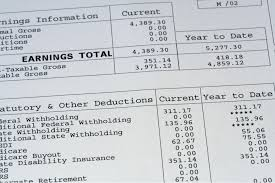
Gross pay is the total amount of money you earn before deductions. It includes:

  • Regular Wages: Based on your hourly rate or salary.
  • Overtime Pay: Extra pay for hours worked beyond the standard workweek.
  • Bonuses and Commissions: Any additional incentives earned during the pay period.
  • Other Earnings: Such as tips, hazard pay, or shift differentials.

Knowing your gross pay is essential because all deductions—taxes, benefits, and contributions—are calculated from this figure.

Identify Taxes and Deductions

This is often the most confusing part of a pay stub. Taxes and deductions reduce your gross pay to arrive at your net pay. Common deductions include:

  • Federal Income Tax: Withheld according to the IRS tax tables.
  • State Income Tax: Applicable in states with income tax.
  • Social Security Tax: Usually 6.2% of your gross pay.
  • Medicare Tax: Typically 1.45% of your gross pay.
  • Local Taxes: Some cities or municipalities may impose additional taxes.

Other deductions may be voluntary, such as:

  • Health Insurance Premiums
  • Retirement Contributions (401(k), IRA, etc.)
  • Life Insurance or Disability Coverage
  • Union Dues

Understanding these deductions helps you verify that your employer is withholding the correct amounts and ensures you are receiving proper benefits.

Net Pay: The Bottom Line

Net pay, often referred to as “take-home pay,” is what you actually receive after all deductions. It’s the most important number on your pay stub because it tells you how much money you can spend or save. Always compare your net pay to your expected amount and investigate discrepancies immediately.

Track Year-to-Date (YTD) Totals

Most pay stubs include year-to-date (YTD) totals, which sum up your earnings, taxes, and deductions from January 1st to the current pay period. YTD information helps you:

  • Monitor your total earnings for the year.
  • Estimate your tax liability.
  • Check if deductions, like retirement contributions or health premiums, are accurate.
  • Track bonuses, overtime, or irregular payments.

Being familiar with YTD figures ensures you stay on top of your financial goals and tax planning.

Learn the Abbreviations

Pay stubs often use abbreviations for deductions, benefits, and tax codes. Some common examples include:

  • FIT: Federal Income Tax
  • SIT: State Income Tax
  • SS: Social Security
  • MED: Medicare
  • 401k: Retirement Contribution Plan
  • HSA/FSA: Health or Flexible Spending Accounts

Knowing these abbreviations allows you to quickly interpret each line of your pay stub.

Check for Errors

Mistakes can happen, and pay stubs are your first line of defense. Common errors include:

  • Incorrect hours worked
  • Wrong pay rate
  • Missing overtime or bonuses
  • Incorrect tax withholdings
  • Misapplied deductions or benefits

Always reconcile your pay stub with your personal records, time sheets, or employment agreement. Spotting errors early prevents bigger issues later, especially during tax season.

Understand Employer Contributions

Many pay stubs show employer contributions toward benefits, like health insurance, retirement plans, or other perks. While these do not affect your net pay, they reflect your total compensation package. Knowing this can help you appreciate the full value of your employment benefits and plan your finances more effectively.

Use Pay Stubs for Budgeting and Loans

Pay stubs are more than just proof of income—they’re essential financial documents. They help you:

  • Create accurate budgets by knowing your exact take-home pay.
  • Apply for loans, mortgages, or credit, as lenders often require recent pay stubs.
  • Plan for tax season with clear records of taxes paid and deductions.
  • Verify your employment history or income when needed.

Being adept at reading pay stubs ensures you can use them strategically for personal finance management.

Keep Digital or Physical Copies

Even though many companies provide electronic pay stubs, it’s wise to maintain copies. Digital or printed records are helpful for:

  • Filing taxes
  • Applying for loans or rentals
  • Disputing errors
  • Tracking your financial progress over time

Organizing your pay stubs chronologically can save you stress when documents are needed for legal or financial purposes.

Tools and Resources to Simplify Pay Stub Reading

If numbers and abbreviations still feel overwhelming, you can use:

  • Pay Stub Calculators: Online tools to simulate deductions and net pay.
  • HR Assistance: Your company’s HR or payroll department can explain unfamiliar terms.
  • Accounting Software: Tools like QuickBooks or Gusto can help track earnings and deductions.
  • Financial Education Websites: Resources that teach payroll concepts and tax planning.

Conclusion

Reading your pay stubs like a pro is a crucial skill that empowers you to take control of your finances, detect errors, and understand your overall compensation. By paying attention to gross pay, deductions, net pay, and YTD totals, you can ensure accurate payments, optimize your tax planning, and make informed financial decisions. With a bit of practice and familiarity with abbreviations, your pay stub can become a powerful tool for financial clarity rather than a confusing document.

Read Related Articles:

State of Kansas Labor Laws 2025

Iowa Labor Laws 2025

Hawaii Labor Laws 2025

Top Reasons to Choose Nutrikal for Your Private Label Supplements in the EU

Choosing the right manufacturing partner is critical for the success of your private label supplement brand. In the competitive European market, Nutrikal stands out as a trusted manufacturer, offering high-quality formulations, regulatory compliance, and customization options. Whether you're launching a new brand or expanding your product line, here are the top reasons to choose Nutrikal for your private label supplements EU.

Commitment to Quality and Compliance

Nutrikal follows the highest industry standards to ensure the safety, efficacy, and quality of its supplements. The company adheres to Good Manufacturing Practices (GMP), ISO certifications, and European Food Safety Authority (EFSA) regulations. This guarantees that all products meet the stringent requirements of the EU supplement market, giving your brand a strong foundation of trust and credibility.

Extensive Range of Supplement Formulations

Nutrikal offers a diverse portfolio of supplement formulations, catering to various health and wellness needs. From vitamins and minerals to herbal extracts, protein powders, and functional nutrition products, their extensive range allows businesses to create a well-rounded product line. Additionally, Nutrikal provides organic, vegan, and allergen-free options to meet the growing demand for clean-label supplements.

Customization for Brand Differentiation

One of Nutrikal’s biggest strengths is its ability to create fully customized supplements tailored to your brand’s vision. Whether you want unique ingredient blends, specific dosages, or exclusive packaging designs, Nutrikal works closely with clients to develop bespoke products that stand out in the market. This level of customization enables brands to establish a unique identity and cater to niche markets.

Regulatory Expertise for Hassle-Free Compliance

Navigating EU supplement regulations can be challenging, but Nutrikal simplifies the process by ensuring all formulations comply with European laws. Their team of regulatory experts provides guidance on ingredient approvals, labeling requirements, and health claims, helping your brand avoid compliance issues and legal risks.

Fast and Scalable Production

Speed-to-market is essential in the supplement industry, and Nutrikal excels in delivering efficient production timelines. Their advanced manufacturing facilities and streamlined processes allow for quick turnaround times without compromising quality. Whether you need small-batch production for a product launch or large-scale manufacturing to meet growing demand, Nutrikal offers scalable solutions to support your business growth.

Sustainable and Ethical Sourcing

Modern consumers prioritize sustainability and ethical sourcing, and Nutrikal aligns with these values by using responsibly sourced ingredients and eco-friendly packaging. Their commitment to sustainability not only helps protect the environment but also enhances brand reputation and consumer loyalty.

Strong Support for Marketing and Branding

Beyond manufacturing, Nutrikal provides valuable support for branding and marketing. From designing attractive packaging to offering insights on market trends, their expertise helps brands position themselves effectively in the competitive supplement industry.

Conclusion

Partnering with Nutrikal for your private label supplements in the EU ensures a seamless, high-quality, and compliant manufacturing process. With their focus on quality, customization, scalability, and sustainability, Nutrikal empowers brands to thrive in the fast-growing wellness market. If you’re looking for a reliable partner to bring your supplement vision to life, Nutrikal is the ideal choice.

How AI Supports Remote Patient Monitoring

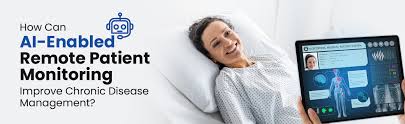
The integration of Artificial Intelligence (AI) into healthcare is fundamentally altering how medical services are delivered, particularly in the realm of remote patient monitoring. Remote patient monitoring (RPM) involves the use of digital technologies to monitor patients’ health outside traditional clinical settings, often from the comfort of their homes. AI enhances RPM by providing advanced data analysis, predictive capabilities, and personalized insights that improve patient care and operational efficiency. This article explores how AI supports remote patient monitoring, detailing its applications, benefits, challenges, and future directions.

The Role of AI in Remote Patient Monitoring

AI plays a pivotal role in remote patient monitoring by leveraging machine learning, data analytics, and advanced algorithms to interpret data collected from various sources. RPM systems typically include wearable devices, sensors, and mobile applications that collect data on vital signs, physical activity, and other health metrics. AI algorithms analyze this data to detect patterns, predict potential health issues, and provide actionable insights for both patients and healthcare providers.

For instance, AI can process data from wearable devices such as smartwatches or glucose monitors to continuously track a patient’s health metrics, including heart rate, blood pressure, and glucose levels. By analyzing these metrics in real-time, AI can identify deviations from normal ranges and alert patients or healthcare providers to potential issues before they escalate into serious conditions.

Current Applications of AI in Remote Patient Monitoring

AI’s applications in remote patient monitoring are diverse and transformative. One prominent application is in chronic disease management. For patients with chronic conditions like diabetes, heart disease, or chronic obstructive pulmonary disease (COPD), AI-powered RPM systems can track daily health metrics and provide real-time feedback. For example, AI can analyze blood glucose levels from a continuous glucose monitor and predict potential hypoglycemic or hyperglycemic events, allowing for timely intervention and adjustment of treatment plans.

In cardiovascular care, AI algorithms can monitor data from wearable ECG monitors to detect arrhythmias or irregular heartbeats. By analyzing patterns in the data, AI can provide early warnings of potential cardiac events, enabling proactive management and reducing the risk of severe complications.

Another significant application is in mental health monitoring. AI-powered tools can analyze data from mobile apps and wearables to assess mood, activity levels, and sleep patterns. This information can be used to monitor patients with mental health conditions such as depression or anxiety, providing insights that can help adjust treatment strategies and enhance overall care.

Benefits of AI in Remote Patient Monitoring

The integration of AI into remote patient monitoring offers numerous benefits. One of the most significant advantages is improved patient engagement and self-management. AI-driven RPM systems provide patients with real-time feedback on their health, empowering them to take an active role in managing their conditions. This increased engagement can lead to better adherence to treatment plans and healthier lifestyle choices.

AI also enhances the efficiency of healthcare delivery. By enabling continuous monitoring and early detection of health issues, AI can reduce the need for frequent in-person visits. This not only lowers healthcare costs but also alleviates the burden on healthcare facilities and providers, allowing them to focus on more complex cases that require in-person attention.

Additionally, AI-driven RPM systems improve the accuracy of health data interpretation. Traditional monitoring methods may rely on sporadic or subjective measurements, while AI can analyze continuous streams of data to provide a more comprehensive and precise understanding of a patient’s health status. This accuracy leads to more informed decision-making and personalized care plans.

Challenges in Implementing AI in Remote Patient Monitoring

Despite its advantages, the implementation of AI in remote patient monitoring faces several challenges. Data privacy and security are major concerns, as the collection and transmission of sensitive health information require robust protection measures. Ensuring compliance with regulations such as the Health Insurance Portability and Accountability Act (HIPAA) and implementing strong encryption and data protection protocols are essential to safeguarding patient information.

Another challenge is the integration of AI systems with existing healthcare infrastructure. Many healthcare providers use disparate systems for managing patient data, and integrating AI-driven RPM tools with these systems can be complex and costly. Ensuring interoperability and seamless data exchange between different platforms is crucial for the effective implementation of AI in RPM.

There is also the issue of data accuracy and reliability. AI algorithms depend on high-quality data to make accurate predictions and recommendations. If the data collected from remote monitoring devices is inaccurate or incomplete, the insights generated by AI may be flawed. Ensuring the reliability and calibration of monitoring devices is essential to maintain the effectiveness of AI-driven RPM systems.

The Future of AI in Remote Patient Monitoring

The future of AI in remote patient monitoring holds great promise, with continued advancements expected in technology and data analytics. Emerging technologies such as advanced sensors, improved wearables, and enhanced AI algorithms will further enhance the capabilities of RPM systems. For example, future developments may include more sophisticated AI models that can analyze a wider range of health metrics and provide even more personalized insights.

The integration of AI with other technologies, such as the Internet of Things (IoT) and blockchain, could also revolutionize RPM. IoT devices can provide additional data points for AI analysis, while blockchain technology could ensure secure and transparent data sharing. These innovations will likely contribute to more accurate, efficient, and secure remote monitoring solutions.

Moreover, AI has the potential to enhance remote patient monitoring by incorporating predictive analytics and preventive care strategies. AI algorithms may increasingly be able to predict potential health issues before they occur, allowing for earlier interventions and reducing the overall burden on healthcare systems.

Conclusion

AI is transforming remote patient monitoring by providing advanced data analysis, real-time feedback, and personalized insights. Its applications in chronic disease management, cardiovascular care, and mental health monitoring are enhancing patient care and improving healthcare efficiency. While challenges such as data privacy, system integration, and data accuracy need to be addressed, the future of AI in RPM is bright. As technology continues to evolve, AI will play an increasingly central role in enabling proactive, personalized, and effective healthcare, ultimately leading to better patient outcomes and a more efficient healthcare system.

The Future of AI in Healthcare

Artificial Intelligence (AI) is poised to transform healthcare in profound ways, bringing innovations that promise to enhance patient care, streamline operations, and accelerate research. The integration of AI technologies in healthcare is expected to lead to significant advancements across various domains, from diagnostics and personalized medicine to operational efficiency and drug discovery. As we look towards the future, it is essential to explore the potential benefits, challenges, and implications of AI in healthcare to fully understand its impact on the medical field.

Advancements in Diagnostics and Imaging

One of the most promising areas for AI in healthcare is diagnostics and medical imaging. AI algorithms, particularly those based on deep learning, have demonstrated remarkable capabilities in analyzing medical images such as X-rays, MRIs, and CT scans. These algorithms can detect patterns and anomalies with high accuracy, often surpassing human radiologists in identifying conditions such as tumors, fractures, and other abnormalities.

Looking ahead, AI is expected to further revolutionize diagnostics by integrating data from multiple sources, including medical images, genetic information, and patient histories. This integration will enable more comprehensive and accurate diagnostic tools, allowing for earlier detection of diseases and more precise treatment planning. Additionally, AI-driven diagnostic systems are likely to become more accessible, enabling remote and underserved areas to benefit from advanced diagnostic capabilities.

Personalized Medicine and Treatment

The future of AI in healthcare also holds great promise for personalized medicine. AI can analyze vast amounts of data to identify individual patient characteristics, including genetic, environmental, and lifestyle factors, that influence health and disease. This data-driven approach allows for the development of tailored treatment plans that are more effective and have fewer side effects compared to one-size-fits-all approaches.

AI is expected to play a crucial role in developing personalized treatment strategies by predicting patient responses to different therapies, optimizing drug dosages, and identifying the most appropriate interventions based on individual patient profiles. The integration of AI with genomics and other omics technologies will further enhance our ability to tailor treatments to the unique needs of each patient, leading to more effective and efficient healthcare.

Streamlining Healthcare Operations

AI has the potential to significantly improve healthcare operations by automating routine tasks and optimizing workflows. For example, AI-powered chatbots and virtual assistants can handle administrative tasks such as scheduling appointments, managing patient inquiries, and processing insurance claims. This automation can reduce the administrative burden on healthcare professionals, allowing them to focus more on direct patient care.

In addition, AI can enhance operational efficiency through predictive analytics and resource management. By analyzing historical data and predicting patient volumes, AI can help healthcare facilities better manage staffing, equipment usage, and patient flow. This improved operational efficiency can lead to reduced wait times, increased patient satisfaction, and overall better utilization of healthcare resources.

Drug Discovery and Development

The drug discovery and development process is traditionally lengthy and costly, often taking over a decade and billions of dollars to bring a new drug to market. AI is poised to accelerate this process by enhancing various stages of drug development, including target identification, lead optimization, and clinical trials.

AI algorithms can analyze vast datasets to identify potential drug targets and predict how different compounds will interact with these targets. This can lead to the discovery of new therapeutic candidates and more efficient optimization of existing drugs. Furthermore, AI can streamline the design of clinical trials by identifying suitable patient populations, predicting trial outcomes, and monitoring patient responses in real-time. These advancements are expected to reduce the time and cost associated with drug development, ultimately leading to faster access to new treatments.

Addressing Healthcare Disparities

One of the significant challenges in healthcare is addressing disparities in access to care and health outcomes. AI has the potential to either mitigate or exacerbate these disparities, depending on how it is implemented. On one hand, AI can improve access to quality care by enabling remote diagnostics, telemedicine, and virtual health consultations. This can be particularly beneficial for underserved and rural communities that may lack access to specialized medical services.

On the other hand, there is a risk that AI technologies could reinforce existing disparities if they are not designed and deployed with equity in mind. Ensuring that AI systems are trained on diverse datasets and are accessible to all healthcare providers is crucial for preventing the widening of health inequities. Policymakers, healthcare leaders, and technology developers must work together to ensure that AI advancements benefit all patients and do not inadvertently contribute to greater disparities.

Ethical and Regulatory Considerations

As AI becomes increasingly integrated into healthcare, ethical and regulatory considerations will play a critical role in shaping its future. Issues such as data privacy, algorithmic bias, transparency, and accountability will need to be addressed to ensure that AI is used responsibly and ethically. Developing robust regulatory frameworks and guidelines for the use of AI in healthcare will be essential for ensuring patient safety, protecting privacy, and maintaining public trust.

Furthermore, ongoing research and dialogue are needed to address the ethical implications of AI-driven decision-making, particularly in areas such as informed consent and patient autonomy. Ensuring that patients and healthcare providers have a clear understanding of how AI systems work and their potential impact on care will be vital for maintaining ethical standards and promoting responsible use of technology.

Conclusion

The future of AI in healthcare is both exciting and challenging, with the potential to revolutionize diagnostics, personalized medicine, and operational efficiency. As AI technologies continue to advance, they will offer new opportunities for improving patient care and accelerating medical research. However, it is crucial to address the ethical, regulatory, and equity concerns associated with AI to ensure that its benefits are realized in a responsible and equitable manner. By navigating these challenges thoughtfully, the healthcare industry can harness the power of AI to enhance outcomes and deliver better care for all patients.