

Year: 2024

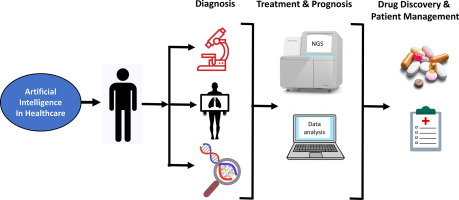
How AI Aids in Cancer Research

Cancer research has long been a complex and challenging field, characterized by its intricate biological mechanisms and the vast amount of data required for effective study and treatment. However, advancements in artificial intelligence (AI) are revolutionizing how researchers approach cancer, offering new tools and methodologies that enhance our understanding, diagnosis, and treatment of this formidable disease. AI's impact on cancer research is profound and multifaceted, spanning from accelerating drug discovery to personalizing treatment plans. This article explores how AI aids in cancer research, highlighting its applications, benefits, and future potential.

Enhancing Diagnostic Accuracy

One of the most significant ways AI aids in cancer research is through improving diagnostic accuracy. Traditional diagnostic methods, such as imaging and histopathological analysis, often rely on human interpretation, which can be subject to error or variability. AI algorithms, particularly those using machine learning techniques, can analyze medical images with remarkable precision. For instance, AI models trained on vast datasets of annotated medical images can detect subtle patterns and anomalies that might be missed by the human eye.

Deep learning, a subset of AI, has shown exceptional promise in analyzing radiological images such as MRI, CT scans, and mammograms. These AI systems can identify signs of cancer at early stages, which is crucial for effective treatment. Studies have demonstrated that AI can match or even surpass the diagnostic accuracy of experienced radiologists, particularly in detecting certain types of cancers like breast cancer and lung cancer. This enhanced accuracy not only improves early detection but also reduces the rate of false positives and false negatives, leading to more reliable and timely interventions.

Accelerating Drug Discovery and Development

AI also plays a crucial role in accelerating the drug discovery and development process, which is traditionally a lengthy and costly endeavor. AI algorithms can analyze complex biological data to identify potential drug targets and predict how different compounds will interact with these targets. By leveraging large-scale datasets, including genomic, proteomic, and clinical data, AI can help researchers uncover new insights into cancer biology and identify novel therapeutic candidates.

For example, AI-powered platforms can sift through vast amounts of data to identify patterns and correlations that might suggest new drug targets or combinations. These insights can significantly shorten the time required for drug discovery and increase the likelihood of identifying promising compounds. Moreover, AI can optimize clinical trial design by predicting patient responses to treatments and identifying suitable candidates for trials. This not only speeds up the development process but also enhances the precision of clinical trials, making them more efficient and effective.

Personalizing Treatment Plans

Personalized medicine is a growing field that aims to tailor treatment plans to the individual characteristics of each patient, and AI is a key enabler of this approach. By analyzing a patient's genetic makeup, tumor characteristics, and other relevant data, AI can help create personalized treatment plans that are more likely to be effective. This involves integrating data from various sources, such as genomic sequencing, electronic health records, and clinical trial results, to develop a comprehensive understanding of the patient’s condition.

AI algorithms can identify patterns and predict how different treatments will perform based on the individual’s unique profile. This can lead to more targeted therapies that address the specific genetic mutations or molecular alterations present in the cancer. Personalized treatment plans not only improve the chances of successful outcomes but also reduce the likelihood of adverse effects by avoiding treatments that are less likely to be effective for a particular patient.

Facilitating Precision Oncology

AI is instrumental in advancing precision oncology, a field that focuses on tailoring cancer treatment based on the genetic and molecular characteristics of tumors. Precision oncology involves analyzing large datasets of genomic, transcriptomic, and proteomic information to understand the underlying mechanisms driving cancer progression. AI can process and interpret these complex datasets, providing valuable insights into how specific genetic mutations influence cancer development and response to treatment.

Machine learning algorithms can identify genetic mutations and other biomarkers that are associated with different types of cancers, helping researchers and clinicians understand which pathways are involved and how they might be targeted with specific therapies. AI can also predict how tumors will evolve over time and how they might develop resistance to treatments, allowing for more proactive and adaptive treatment strategies.

Improving Patient Outcomes and Quality of Life

AI's impact extends beyond research and treatment to improving patient outcomes and quality of life. AI-powered tools can help monitor patients in real-time, track their responses to treatment, and provide early warnings for potential complications. For example, wearable devices equipped with AI can track vital signs and other health metrics, alerting healthcare providers to any significant changes that may require immediate attention.

Additionally, AI can aid in managing the side effects of cancer treatments by analyzing patient data to identify patterns and recommend interventions to alleviate symptoms. This can enhance the overall quality of life for cancer patients by providing more personalized and timely support.

Future Prospects and Challenges

The future of AI in cancer research holds tremendous promise. As AI technology continues to advance, its applications in cancer research are likely to expand further. Emerging areas such as genomics, metabolomics, and single-cell analysis are expected to benefit from AI’s ability to process and interpret large-scale data. Innovations in AI are also anticipated to improve the integration of multi-modal data, enabling a more holistic approach to cancer research and treatment.

However, there are challenges to address. Ensuring the quality and representativeness of data used to train AI models is crucial to avoid biases and ensure generalizability across diverse populations. Additionally, regulatory and ethical considerations must be carefully managed to ensure the responsible use of AI in healthcare.

Conclusion

AI has become a powerful ally in the fight against cancer, offering new tools and methodologies that enhance diagnostic accuracy, accelerate drug discovery, personalize treatment plans, and improve patient outcomes. As technology continues to evolve, AI is poised to play an increasingly central role in cancer research, driving innovations that hold the potential to transform the landscape of cancer care. By addressing existing challenges and embracing the opportunities AI presents, researchers and clinicians can work together to advance our understanding of cancer and improve the lives of those affected by this challenging disease.
AI in Early Disease Detection

The advent of Artificial Intelligence (AI) has heralded a new era in healthcare, especially in the realm of early disease detection. Traditionally, diagnosing diseases early often relied on the expertise of medical professionals and the limitations of conventional diagnostic tools. However, the integration of AI into this field is significantly enhancing the ability to detect diseases at their nascent stages, thereby improving treatment outcomes and patient prognoses. This article explores the various ways AI is revolutionizing early disease detection, focusing on its impact on accuracy, speed, accessibility, and the future of preventive healthcare.

Enhancing Diagnostic Accuracy

One of the primary benefits of AI in early disease detection is its potential to significantly enhance diagnostic accuracy. Traditional diagnostic methods often involve subjective assessments and the interpretation of complex data, which can lead to errors or inconsistencies. AI algorithms, particularly those based on machine learning and deep learning, can analyze vast amounts of data with remarkable precision. For example, AI systems trained on large datasets of medical images can detect subtle patterns and anomalies that might be missed by human eyes. In fields like radiology, AI is proving invaluable in identifying early signs of conditions such as cancer, cardiovascular diseases, and neurological disorders. These systems are capable of analyzing X-rays, MRIs, and CT scans with high accuracy, often outperforming human radiologists in terms of both speed and precision. By improving diagnostic accuracy, AI helps in identifying diseases at their earliest stages, which is crucial for effective treatment and better patient outcomes.

Accelerating Diagnostic Speed

The speed at which diseases are detected can have a profound impact on patient outcomes, particularly in conditions where early intervention is critical. AI technologies are transforming this aspect of disease detection by providing rapid analysis and diagnosis. Traditional diagnostic processes can be time-consuming, involving multiple steps and delays in result reporting. AI, however, can process and analyze data almost instantaneously. For instance, in oncology, AI algorithms can quickly evaluate mammograms to identify potential tumors, providing results much faster than traditional methods. This rapid analysis enables healthcare professionals to make timely decisions and initiate treatment sooner. In emergency situations, where time is of the essence, AI's ability to provide swift and accurate diagnoses can be a game-changer, potentially saving lives and improving the overall efficiency of medical care.

Expanding Accessibility to Diagnostic Services

AI is also playing a crucial role in expanding access to diagnostic services, especially in underserved or remote areas. Access to advanced diagnostic tools and specialists can be limited in many regions, leading to delays in disease detection and treatment. AI-driven solutions, such as telemedicine platforms and diagnostic apps, are addressing these disparities by providing remote access to diagnostic capabilities. For example, AI-powered mobile applications can analyze medical images taken by patients themselves and provide preliminary assessments, which can then be reviewed by healthcare professionals. Additionally, AI-based chatbots and virtual assistants can offer initial consultations and guidance, helping to triage patients and direct them to appropriate care. By bridging gaps in access and providing remote diagnostic support, AI is helping to ensure that individuals in various geographical locations receive timely and accurate disease detection.

Supporting Preventive Healthcare

Early disease detection is a cornerstone of preventive healthcare, which aims to identify and address health issues before they become severe. AI is enhancing preventive measures by leveraging predictive analytics and risk assessment tools. By analyzing a wide range of data, including genetic information, lifestyle factors, and medical history, AI can identify individuals who are at higher risk of developing certain diseases. For example, AI algorithms can predict the likelihood of a person developing conditions such as diabetes or cardiovascular disease based on their health data and lifestyle choices. This predictive capability enables proactive interventions, such as lifestyle modifications or regular screenings, which can significantly reduce the risk of disease progression. AI’s role in preventive healthcare represents a shift from reactive to proactive management of health, aiming to mitigate potential health issues before they escalate.

Revolutionizing Disease Surveillance and Public Health

AI is also transforming disease surveillance and public health monitoring by providing real-time insights into disease patterns and outbreaks. AI systems can analyze data from various sources, including electronic health records, social media, and public health databases, to detect and track disease trends. This capability is particularly valuable in monitoring infectious diseases and managing public health responses. For instance, AI-driven analytics can help identify emerging outbreaks, predict the spread of diseases, and evaluate the effectiveness of intervention measures. During the COVID-19 pandemic, AI played a critical role in tracking the virus’s spread, predicting infection hotspots, and informing public health strategies. By enhancing disease surveillance and public health monitoring, AI contributes to a more informed and responsive healthcare system.

Addressing Challenges and Ethical Considerations

While the benefits of AI in early disease detection are substantial, there are also challenges and ethical considerations that must be addressed. Issues related to data privacy, algorithmic bias, and the need for transparency in AI decision-making are crucial aspects that need careful management. Ensuring that AI systems are trained on diverse and representative datasets is essential to minimize biases and ensure equitable healthcare outcomes. Additionally, safeguarding patient data and ensuring informed consent are critical to maintaining trust in AI-driven diagnostic tools. As AI continues to evolve, it is important to approach its implementation with a focus on ethical considerations and the need for human oversight in the diagnostic process.

The Future of AI in Early Disease Detection

Looking ahead, the future of AI in early disease detection holds great promise. Advances in AI technology, such as more sophisticated algorithms and improved data integration, are likely to further enhance diagnostic capabilities. The integration of AI with other emerging technologies, such as genomics and personalized medicine, will provide even more precise and individualized diagnostic solutions. As AI continues to develop, it will play an increasingly central role in shaping the future of healthcare, making early disease detection more accurate, accessible, and efficient.

Conclusion

AI is making significant strides in early disease detection, offering improvements in diagnostic accuracy, speed, accessibility, and preventive healthcare. By leveraging advanced algorithms and predictive analytics, AI is transforming the way diseases are identified and managed, leading to better patient outcomes and more efficient healthcare delivery. While challenges and ethical considerations remain, the potential of AI to revolutionize early disease detection is immense. As technology continues to advance, AI will likely become an even more integral part of healthcare, helping to detect diseases earlier and improve the overall quality of care.

Benefits of AI in Health Data Management

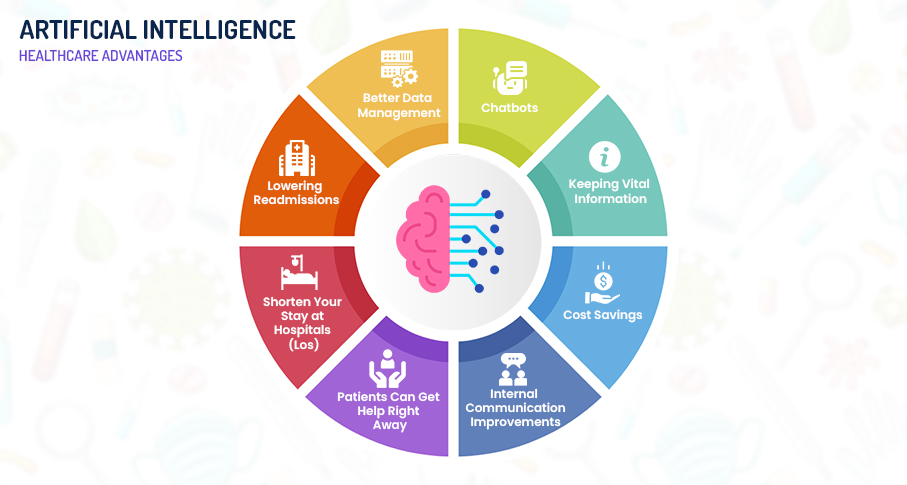
The healthcare industry is experiencing a profound transformation due to the integration of Artificial Intelligence (AI) into health data management. AI technologies are revolutionizing the way healthcare organizations collect, analyze, and utilize health data, leading to more efficient operations, improved patient outcomes, and enhanced decision-making processes. By harnessing the power of AI, healthcare providers can unlock new insights from vast amounts of data, streamline administrative tasks, and deliver personalized care. This article explores the myriad benefits of AI in health data management and its impact on the healthcare landscape.

Enhanced Data Accuracy and Quality

One of the primary benefits of AI in health data management is the enhancement of data accuracy and quality. Traditional data entry methods, which often rely on manual input, are prone to errors and inconsistencies. AI-powered tools, such as natural language processing (NLP) and machine learning algorithms, can significantly reduce these errors by automating data entry and validation processes. NLP algorithms, for instance, can extract relevant information from unstructured data sources, such as clinical notes and medical records, and convert it into structured formats that are easier to analyze.

AI can also identify and correct discrepancies in health data, ensuring that the information used for clinical decision-making is reliable and accurate. By improving data quality, AI helps healthcare providers make more informed decisions, reduce the risk of medical errors, and enhance overall patient care.

Streamlined Data Management and Integration

AI facilitates the efficient management and integration of health data from diverse sources. In a healthcare setting, data is generated from various systems, including electronic health records (EHRs), laboratory information systems, and imaging systems. Integrating these disparate data sources into a cohesive system is a complex and time-consuming task.

AI technologies, such as machine learning and data mining, can streamline this process by automatically aggregating and harmonizing data from different sources. This integration allows healthcare providers to have a comprehensive view of a patient’s health history, enabling more effective coordination of care. For example, AI-driven systems can merge data from EHRs, lab results, and imaging studies to create a unified patient profile, making it easier for clinicians to access relevant information and make well-informed treatment decisions.

Advanced Data Analytics and Insights

AI excels in advanced data analytics, offering healthcare organizations the ability to extract meaningful insights from large volumes of health data. Machine learning algorithms can analyze complex datasets, identify patterns, and generate predictive models that help in understanding trends and forecasting future health outcomes. These capabilities are invaluable for clinical research, population health management, and personalized medicine.

For instance, AI can analyze patient data to identify risk factors for chronic diseases, such as diabetes and cardiovascular conditions. By recognizing these risk factors early, healthcare providers can implement preventive measures and personalized treatment plans to improve patient outcomes. Additionally, AI-driven analytics can support clinical trials by identifying suitable candidates, monitoring progress, and analyzing results more efficiently.

Improved Patient Care and Personalization

AI’s ability to analyze and interpret health data allows for more personalized and effective patient care. By leveraging data from various sources, including patient records, genetic information, and lifestyle data, AI can help tailor treatment plans to individual patients. This personalized approach not only improves treatment efficacy but also enhances patient engagement and satisfaction.

For example, AI can analyze genetic data to identify the most suitable medications for patients with specific genetic profiles, leading to more targeted and effective treatments. In chronic disease management, AI can monitor patients’ health data in real time, providing insights into how well they are responding to treatment and suggesting adjustments as needed. This personalized approach ensures that patients receive care that is specifically tailored to their unique needs and circumstances.

Enhanced Operational Efficiency

AI improves operational efficiency in health data management by automating routine tasks and optimizing workflows. Administrative tasks such as appointment scheduling, billing, and claims processing can be time-consuming and prone to human error. AI-powered systems can automate these processes, reducing the administrative burden on healthcare staff and minimizing errors.

For example, AI-driven chatbots can handle routine patient inquiries, schedule appointments, and provide reminders, allowing healthcare professionals to focus on more complex tasks. Similarly, AI algorithms can streamline the billing and coding process by accurately capturing and processing data, reducing the risk of billing errors and ensuring timely reimbursements. By improving operational efficiency, AI enables healthcare organizations to deliver better care and allocate resources more effectively.

Enhanced Data Security and Privacy

Data security and privacy are critical concerns in health data management, and AI offers advanced solutions to address these challenges. AI-powered systems can detect and respond to potential security threats in real time, protecting sensitive health information from unauthorized access and breaches. Machine learning algorithms can monitor network activity, identify unusual patterns, and alert security teams to potential threats.

Additionally, AI can support compliance with data privacy regulations, such as the Health Insurance Portability and Accountability Act (HIPAA), by automating data protection measures and ensuring that patient information is handled securely. By enhancing data security and privacy, AI helps build trust in health data management systems and ensures that patient information is safeguarded.

Facilitating Research and Innovation

AI plays a crucial role in advancing medical research and innovation by providing researchers with powerful tools for data analysis and interpretation. AI-driven technologies can analyze vast amounts of research data, identify novel patterns, and generate new hypotheses, accelerating the pace of scientific discovery.

For example, AI can analyze genomic data to identify potential biomarkers for diseases, leading to the development of new diagnostic tests and treatments. Additionally, AI can support drug discovery by predicting the effectiveness of new compounds and optimizing clinical trial designs. By facilitating research and innovation, AI contributes to the advancement of medical science and the development of cutting-edge treatments.

Conclusion

AI is transforming health data management by enhancing data accuracy, streamlining integration, providing advanced analytics, improving patient care, increasing operational efficiency, and bolstering data security. The integration of AI into health data management systems offers numerous benefits, from personalized patient care to accelerated research and innovation. As AI technology continues to evolve, its role in healthcare will likely expand, leading to even greater improvements in the management and utilization of health data. By leveraging AI’s capabilities, healthcare organizations can achieve better outcomes, enhance patient care, and drive the future of healthcare forward.