Comprehensive Guide to HVAC Installation
Heating, ventilation, and air conditioning (HVAC) systems are essential for maintaining comfort, air quality, and energy efficiency in homes and commercial spaces. Proper HVAC installation is critical, as it directly affects system performance, lifespan, and utility costs. Whether you’re a homeowner considering a new system or a professional in the field, understanding the installation process and best practices can save time, money, and frustration.
Understanding HVAC Systems
Before diving into HVAC installation, it’s important to understand the components of a typical system. A standard HVAC setup includes a furnace or heat pump for heating, an air conditioner or cooling coil for cooling, ductwork for air distribution, and a thermostat to control temperature. Additional components may include air purifiers, humidifiers, or ventilation fans.
Each component must be carefully selected and sized based on the building’s square footage, insulation, local climate, and occupancy patterns. Oversized or undersized units can lead to inefficiency, higher energy bills, and increased wear and tear.
Planning the Installation
Successful HVAC installation begins with careful planning. A thorough site inspection is essential to determine the optimal placement of equipment, ductwork routes, and electrical connections. For instance, placing the outdoor condenser unit in a shaded area can improve efficiency, while ensuring the indoor air handler is centrally located ensures balanced airflow.
Professional HVAC technicians often perform a load calculation using the Manual J method to determine the correct system size. This ensures the system can handle heating and cooling demands without overworking, which prolongs equipment life.
Key Steps in HVAC Installation
-
Preparation and Safety
Before installation begins, safety checks are critical. This includes shutting off power sources, ensuring proper ventilation, and using protective equipment. Preparing the installation site also involves removing old equipment, clearing pathways, and verifying that structural supports can handle new units. -
Ductwork Installation or Modification
Proper ductwork is vital for efficient airflow. If the building already has ducts, they may need cleaning, sealing, or resizing. New construction typically requires custom duct fabrication. Flexible ducts, sheet metal ducts, and insulated ducts are all options, and the choice affects efficiency, noise, and installation time. -
Installing Heating and Cooling Units
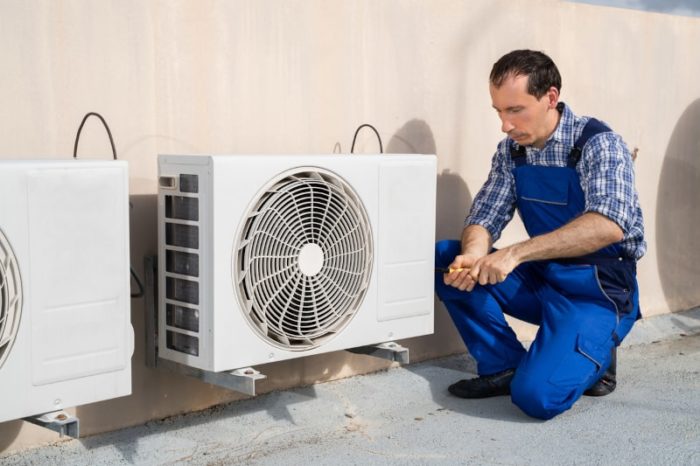
The furnace, boiler, or heat pump is installed indoors, while the condenser or outdoor unit is positioned outside. These units must be leveled, securely mounted, and properly connected to the electrical system. Refrigerant lines for air conditioners or heat pumps require careful handling to prevent leaks and ensure optimal cooling performance. -
Electrical and Thermostat Connections
Electrical wiring must meet local codes and manufacturer specifications. Proper connections ensure safety and reliable operation. Installing a compatible thermostat, preferably a programmable or smart model, allows precise temperature control, energy savings, and integration with home automation systems. -
System Testing and Calibration
Once installed, the HVAC system must be tested. This involves checking airflow, refrigerant pressure, electrical connections, and thermostat calibration. Technicians also verify that heating and cooling cycles operate correctly and that all safety mechanisms function as intended.
Post-Installation Considerations
After HVAC installation, ongoing maintenance is crucial to maintain efficiency and longevity. This includes regular filter changes, annual system inspections, and cleaning coils and ducts. Many professionals recommend scheduling a maintenance contract to ensure consistent performance and early detection of potential issues.
Proper insulation and sealing of ducts, as well as using energy-efficient settings on thermostats, can further enhance performance. Additionally, homeowners should be educated on how to operate their system effectively, including understanding fan settings, zoning controls, and seasonal adjustments.
Benefits of Professional HVAC Installation
Hiring certified professionals for HVAC installation offers multiple advantages. Professionals ensure the system is correctly sized, properly installed, and compliant with local building codes. Mistakes in installation can lead to costly repairs, inefficient operation, and safety hazards, particularly with refrigerants, gas lines, and high-voltage electrical components.
Furthermore, professional installation often comes with warranties on both labor and equipment, providing peace of mind. Technicians are trained to troubleshoot unexpected issues during installation, ensuring the system performs reliably from day one.
Conclusion
In summary, HVAC installation is a complex process that requires careful planning, precision, and expertise. From selecting the right system and preparing the site to installing units, ductwork, and electrical components, every step impacts efficiency, comfort, and system longevity. Post-installation maintenance and proper operation further enhance performance and protect your investment. Whether for a new build or a replacement system, professional ac maintenance ensures a comfortable, energy-efficient environment for years to come.