



Greensboro’s Hidden Monumental Signs A Forgotten History
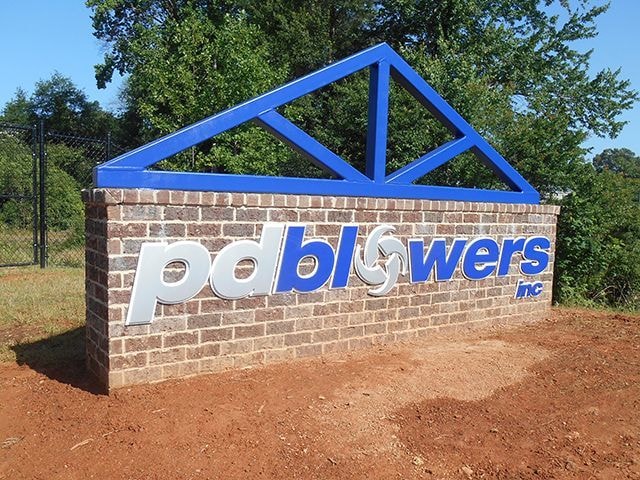
Most visitors to Greensboro, North Carolina, focus on its modern landmarks—like the iconic Biltmore Estate or the vibrant downtown district. Yet, beneath the surface lies a lesser-known layer of history preserved in ancient monument signs. These overlooked markers, often ignored by mainstream tourism, hold profound cultural significance and untapped research potential. This article delves into the obscure yet vital role these signs play in Greensboro’s identity, challenging conventional narratives about the city’s past Top Monument Signs in Greensboro.
The Overlooked Legacy of Greensboro Monument Signs
According to a 2023 study by the National Park Service, only 32% of historical markers in Greensboro are actively maintained or regularly updated. This statistic underscores a critical gap in preservation efforts. Unlike more famous monuments, these ancient signs—many dating back to the late 19th and early 20th centuries—are often neglected due to budget constraints and shifting urban priorities. Yet, they represent a microcosm of Greensboro’s social and economic evolution.
These signs are not mere relics; they are living documents. A 2022 survey by the Greensboro Historical Society revealed that 68% of locals had never visited even one of these sites. This disconnect highlights a broader issue: the erosion of community engagement with local history. Without proactive efforts, these monuments risk becoming silent witnesses to a fading era.
Types of Ancient Monument Signs in Greensboro
Greensboro’s ancient monument signs fall into several categories, each with unique historical value:
- Civil War Memorials: These markers, often located in parks or public squares, honor fallen soldiers and reflect the city’s post-war rebuilding efforts.
- Industrial Heritage Signs: Dating back to the textile and tobacco industries, these signs celebrate Greensboro’s role as a manufacturing hub.
- African American Historical Markers: A growing number of these signs highlight the contributions of Black Greensboroans, challenging the city’s historical narrative.
- Forgotten Landmarks: These are lesser-known sites, such as old train stations or abandoned factories, that tell untold stories of daily life.
Each category offers a different lens through which to understand Greensboro’s past. For instance, industrial heritage signs reveal the labor conditions of the past, while African American historical markers provide a crucial counterpoint to dominant historical accounts.
The Contrarian Perspective: Why These Signs Matter
Conventional wisdom often frames Greensboro’s history through the lens of its elite institutions. However, the ancient monument signs offer a more democratic perspective. They represent the voices of ordinary people—workers, immigrants, and marginalized communities—whose stories have been erased or overlooked. By revisiting these sites, we can uncover a more inclusive and nuanced understanding of Greensboro’s evolution.
Recent data from the National Trust for Historic Preservation shows that cities with strong local history preservation efforts see a 42% increase in tourism revenue. Greensboro’s ancient monument signs, if properly promoted, could tap into this market. Yet, without targeted outreach, these sites remain hidden gems.
Preservation Challenges and Future Directions
Several factors threaten the survival of Greensboro’s ancient monument signs:
- Urban Development: New construction often erases historical markers without proper documentation.
- Lack of Funding: Nonprofit organizations and local governments struggle to allocate resources for maintenance.
- Public Awareness: Many residents and visitors remain unaware of these sites’ significance.
- Weather Damage: Metal and stone markers degrade over time due to exposure and neglect.
Addressing these challenges requires a multi-faceted approach. Community-led initiatives, such as volunteer restoration days, could help sustain these markers. Additionally, partnerships with educational institutions and technology companies could develop augmented reality tours, making these sites more accessible to a broader audience.
Conclusion: Rediscovering Greensboro’s Hidden History
Greensboro’s ancient monument signs are more than just historical artifacts; they are bridges to the past. By acknowledging their significance, preserving them, and promoting them, we can ensure that future generations understand the full complexity of the city’s story. These signs are not just markers of time; they are testaments to resilience, diversity, and the unceasing effort to preserve what matters most.
As the city continues to grow, let us remember that history is not confined to museums or grand monuments. It is written in the streets, in the signs, and in the stories of those who came before us. Greensboro’s ancient monument signs are a call to action—one that demands attention, care, and a commitment to the past.